

Real Industry for Sci-Fi Terrain
The best sci-fi terrain looks as if it could actually work. Pipes go somewhere, cables feed something, and every ladder leads to a hatch. This sci-fi terrain reference comes from real industry, where that logic is already built in. Start with Technological Pipelines (182 photos), the Electrical Substation (61 photos, $5.99) or Rooftop Industrial Equipment (298 photos).
-
 Technological Pipelines182 photos$19.99
-
 Electrical Substation61 photos$5.99
-
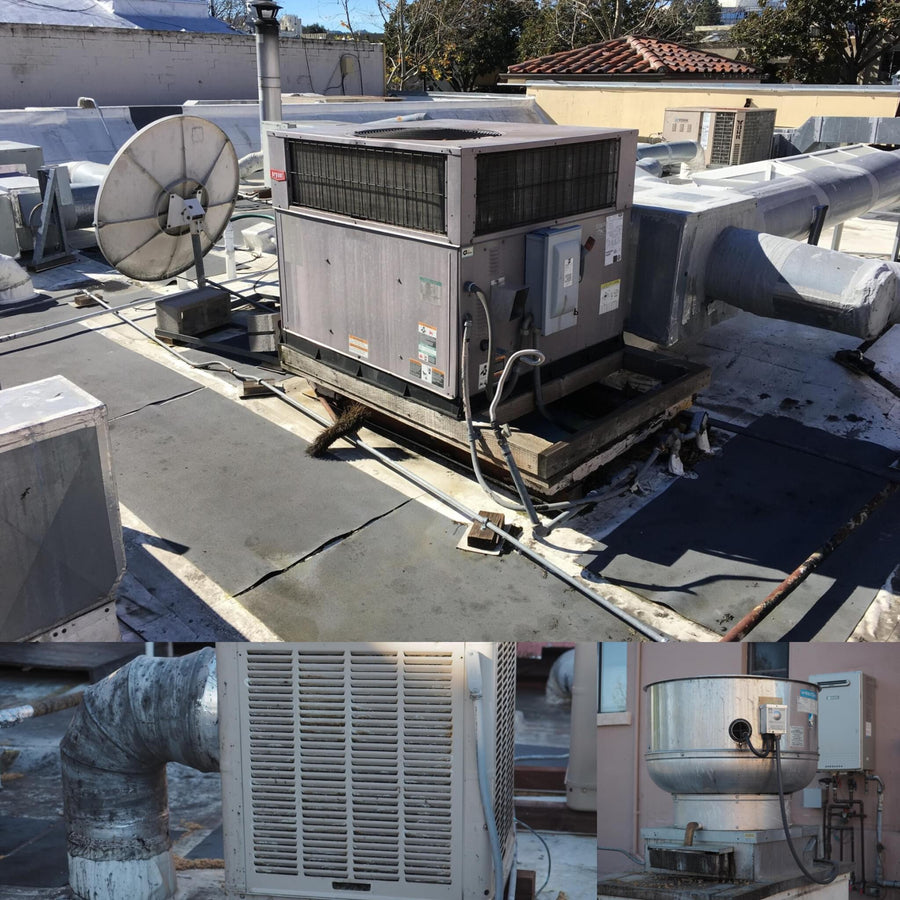 Rooftop Industrial Equipment298 photos$16.99
-
Featured
 Huge Operational Steel Mill328 photos$29.99
-
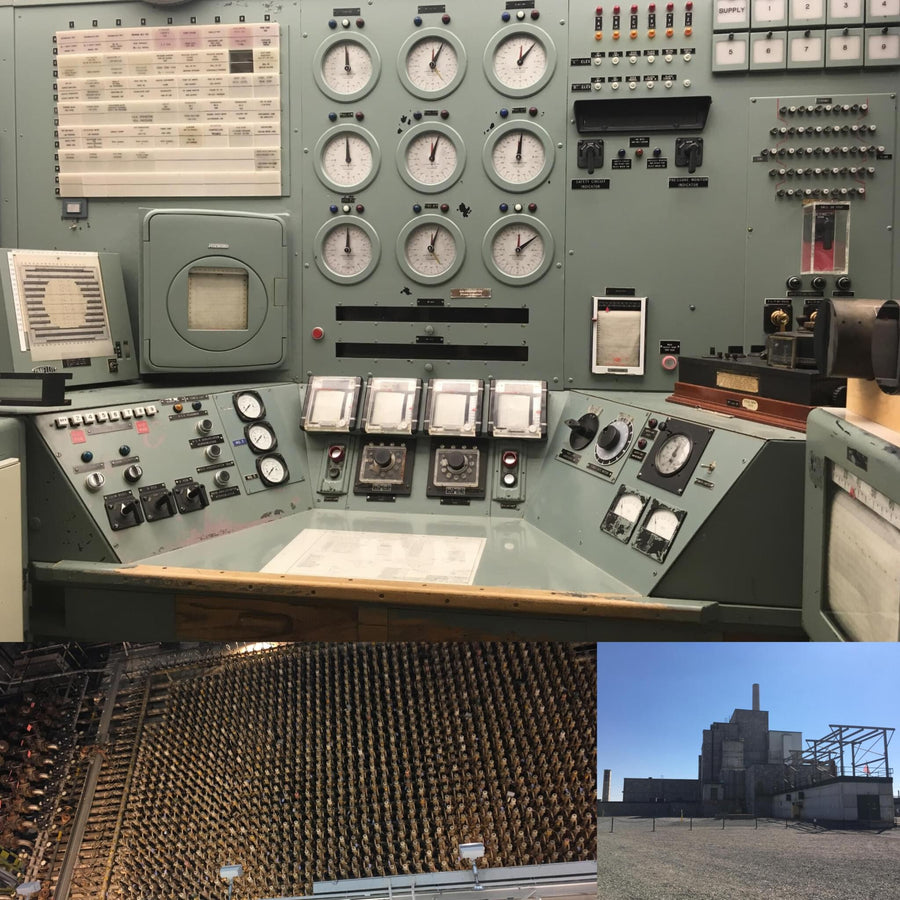 First Large-Scale Nuclear Reactor382 photos$11.99
-
 Radio Telescopes107 photos$12.99
-
 Huge Ground Digging Crawler770 photos$19.99
-
Featured
 Post-Apocalyptic Industrial Plant274 photos$17.99
-
 Overgrown Industrial Bulldozers120 photos$9.99
-
 Small Industrial Waste Sorting Warehouse98 photos$8.99
-
Featured
 Soviet Abandoned Industrial Warehouse233 photos$19.99
-
 Abandoned Industrial Concrete Building208 photos$11.99
-
 Soviet Tesla Towers55 photos$6.99
-
 Underground Industrial Mining Equipment239 photos$24.99
-
 Power Line Structures121 photos$9.99
-
 Red-Bricked Industrial Area939 photos$24.99
-
 Abandoned Soviet Industrial Town317 photos$19.99
-
 Soviet Rocketry335 photos$14.99
-
 Abandoned Industrial Complex231 photos$24.99
-
 Paper Mill Industrial Complex189 photos$14.99
-
 Cockatoo Island Industrial Docks671 photos$19.995 videos$8.99
-
 Abandoned Cement Silo93 photos$9.99


Pipes, valves and walkways
Pipework is the backbone of most sci-fi tables. These packs show how it is really laid out:
- Technological Pipelines: 182 photos of service pipelines in the industrial zone of Kamenskoye.
- Huge Operational Steel Mill: 328 photos inside a working iron smelting plant in Russia.
- Rooftop Industrial Equipment: 298 photos of vents, pipes, wires, generators, metal stairs, electrical boxes and lights. Rooftops are full of small, repeatable details, which makes this a good source for scatter terrain.
When you study the photos, notice where pipes bend, where they are supported and where valves and flanges sit. Real pipes have supports at regular intervals and change direction with a reason. Copy that, and a pile of plastic tubing becomes a believable refinery.
Power and energy
- Electrical Substation: 61 photos with close-ups of transformers, relays and circuit breakers. These shapes translate directly into objective markers and generator pieces.
- Soviet Tesla Towers: 55 photos of an experimental high-voltage station in Russia, built to create artificial lightning.
- First Large-Scale Nuclear Reactor: 382 photos of the reactor built in Washington State during WWII to produce plutonium. The photos focus on controls, switches, pipes, old signs and the main reactor core. It was shot on a phone, at 4032 × 3024.
- Power Line Structures: 121 photos of high-voltage pylons and transformers, mostly from the Soviet period.
Giant machines and structures
Large terrain centerpieces need a sense of scale. These subjects are big enough to dwarf a squad:
- Huge Ground Digging Crawler: 770 photos of a giant digging machine, including drone views and shots in overcast, sunny, sunset and night light.
- Radio Telescopes: 107 photos of dish antennas and steel girders at several sites in the former Soviet Union.
- Cockatoo Island Industrial Docks: 671 photos of a historic dockyard in Sydney, with 90 photos of cranes, 97 of tunnels and short video clips.
- A 20-meter robot statue in Tokyo: 125 photos with close-ups of armor panels and decals. The statue is based on a well-known anime design, so use it to study hard-surface detail rather than to copy the design.
Ruined industry
For a ruined or post-apocalyptic table, abandoned plants show how industry decays over time.
- Post-Apocalyptic Industrial Plant: 274 photos of a huge abandoned Soviet-era plant, from the ground and from a drone.
- Red-Bricked Industrial Area: 939 photos of an old brick factory block fitted with power cables and ventilation.
More on the post-apocalyptic reference and factories and machinery pages.
Frequently asked questions
How do I scale industrial details for 28 mm terrain?
Use something human-sized in the photo. A handrail is about 1.1 meters high, so at 28 mm scale (roughly 1:56) it is about 20 mm. A standard door is about 2 meters, or about 36 mm. Size your pipes and walkways against those.
Can I sell terrain that I design from these photos?
The terrain you design and build is your own work. You can build your own 3D models from the photos for your projects. You may not resell the photos or the packs, and printing a photo itself onto a product for sale depends on the pack's content type.
Is this useful for kitbashing?
Yes. Kitbashers often struggle with where to place the extra parts. Industrial photos show where pumps, junction boxes, vents and ladders sit in a working system, so your additions look purposeful.
Do you have reference for game studios?
Yes. Studios can share packs under a Small Studio or Large Studio license. See one reference library for your team.