

Post-Apocalyptic Reference Photos From Real Abandoned Places
You don't have to imagine what the world looks like after people leave. Towns, factories and machines all over the world already show it, from a building burned a few days earlier to cars from the 1920s left to rust in a scrapyard. These post-apocalyptic reference photos document real abandoned places. Start with Abandoned Russian Villages (1,120 photos) or the Abandoned Soviet Industrial Town (317 photos).
-
 Torched and Collapsed Buildings175 photos$9.99
-
 Abandoned Soviet School344 photos$17.99
-
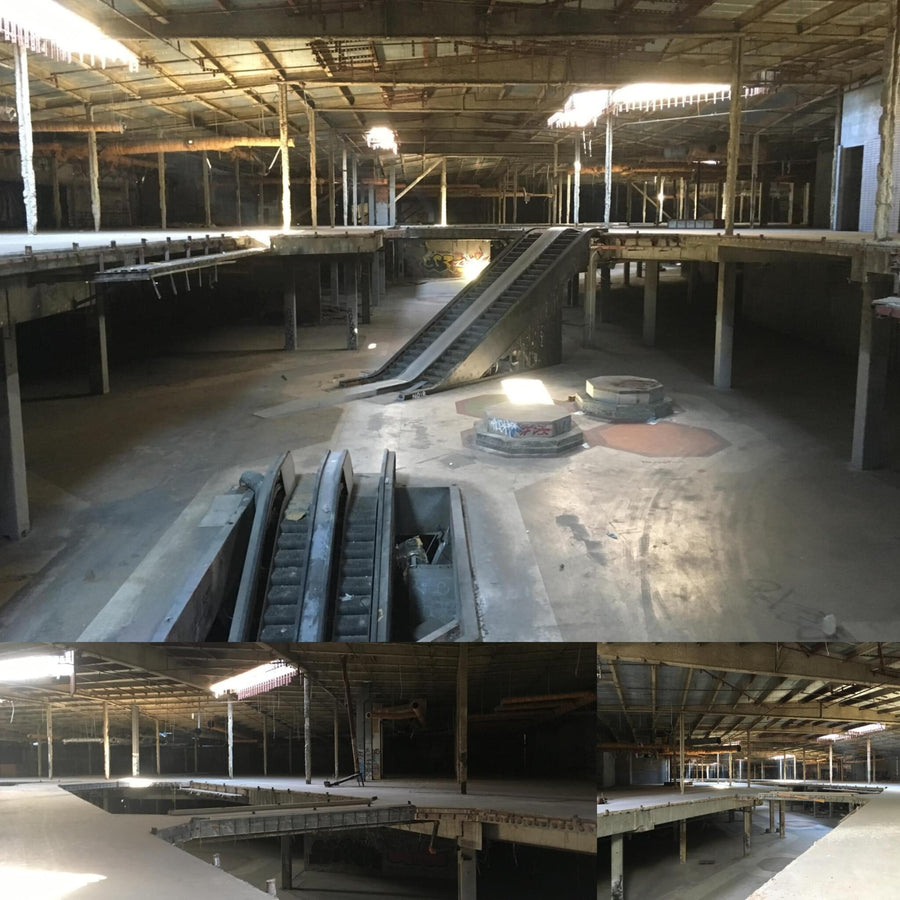 Abandoned Mall100 photos$12.99
-
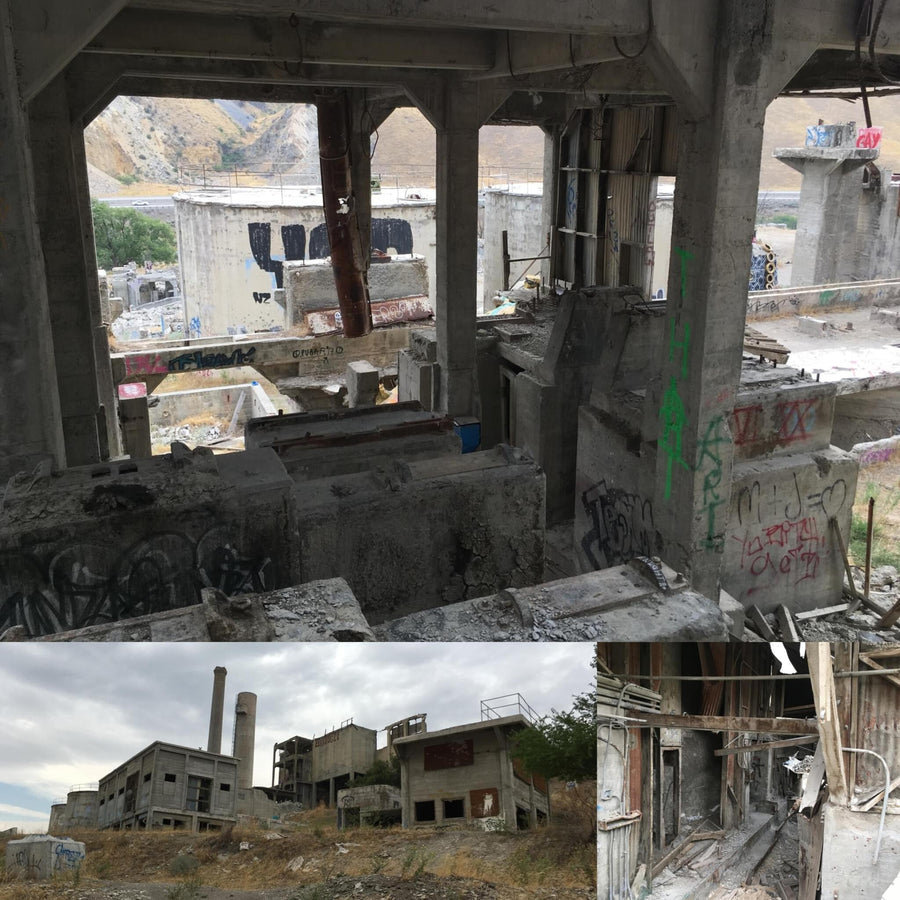 Abandoned Cement Plant430 photos$18.99
-
 Vintage Cars Scrapyard449 photos$19.99
-
 River Ships Graveyard527 photos$19.99
-
 Abandoned Soviet Industrial Town317 photos$19.99
-
 Abandoned Russian Villages1120 photos$24.99
-
 Burned Car296 photos$9.99
-
 Post-Apocalyptic Dozers531 photos$19.99
-
 Abandoned Soviet Military Warehouses461 photos$9.99
-
 Abandoned Small Amusement Park516 photos$19.99
-
 Abandoned Vehicle Transport Railcar89 photos$9.99
-
 Abandoned Railroad Cars137 photos$9.99
-
 Abandoned Trashy Bungalo Interior and Exterior85 photos$7.99
-
 Overgrown Industrial Bulldozers120 photos$9.99
-
Featured
 Rusty Abandoned Vehicle Ferry Ship173 photos$14.99
-
 Murky Coral Overgrown Japanese Cargo Shipwreck323 photos$17.99
-
 Small Abandoned House57 photos$5.99
-
 Abandoned Small Wind Farm Island Facility117 photos$11.99
-
 Abandoned Lake Side Mansion Construction121 photos$9.99
-
 Khmer Ruined Elephant Library Temple333 photos$24.99
-
 Red and Green Moss Overgrown Khmer Ancient Temple151 photos$13.99
-
Featured
 Tomb Raider Overgrown Ancient Temple266 photos$17.99
-
 Overgrown Entrance Khmer Temple155 photos$12.99
-
 Overgrown Towers Cambodian Temple90 photos$8.99
-
 Roadside Cars Dump166 photos$11.99
-
 Spanish Medieval Ruined Fortress83 photos$7.99
-
 Coral Overgrown Underwater Bikes48 photos$4.99
-
 Overgrown Ruined Red Brick Buddhist Temple172 photos$16.99
-
 Small Shallow Water Overgrown Wreck163 photos$7.99
-
 Abandoned Fishing Boats100 photos$8.99
-
 Abandoned Small Tower Khmer Temple94 photos$7.99
-
 Dried Overgrown Terrace Waterfall48 photos$3.99
-
 Overgrown Unfinished Concrete Buddhist Temple145 photos$12.99
-
 Abandoned Pioneer Camp in Winter194 photos$15.99
-
 Mangrove Overgrown Shipwreck107 photos$15.99
-
 Abandoned Granite Quarry111 photos$11.99
-
Featured
 Soviet Abandoned Industrial Warehouse233 photos$19.99
-
 Abandoned Marble Quarry Cracked Mud Filled160 photos$14.99
-
 Bush Overgrown Crater215 photos$18.99
-
 Soviet Abandoned Brick Buildings in Winter155 photos$14.99
-
 Burned Termite Bush Forest108 photos$9.99
-
 Abandoned Industrial Concrete Building208 photos$11.99
-
 Abandoned Nuclear Lighthouse214 photos$14.99
-
 Ochre Eroded Overgrown Quarry100 photos$11.99
-
 Abandoned Mining Props157 photos$9.99
-
 Abandoned Coal Mining Plateau194 photos$9.99
-
 Abandoned Ukrainian Traditional Rural Houses282 photos$19.99


Decay happens in stages
A believable wasteland tells you how long ago things went wrong. Fresh damage, years of neglect and decades of decay look very different. Decide how much time has passed in your world, then choose reference from that stage.
Days. Torched and Collapsed Buildings has 175 photos from Finland: one building burned only a few days earlier, another that collapsed years ago. Broken beams, scorched materials, roof tiles and wiring, all shot in overcast light. Burned Car shows one burned-out car in 296 photos, from a drone and a full-frame camera, inside and out.
Years. The Abandoned Soviet School in Kyiv was built in the 1960s and closed after the collapse of the Soviet Union. Its 344 photos show classrooms, corridors, doors and objects left behind. The Abandoned Mall in Los Angeles (100 photos) shows an empty interior lit by beams of sunlight.
Decades. Abandoned Cement Plant is 430 photos of a plant in Oregon that closed in 1980. Vintage Cars Scrapyard has 449 photos of rows of cars from the 1920s to the 1950s. Broken panels show how the cars were built inside.
Whole towns, from the ground and the air
A game level or a matte painting needs more than one building. Grafit Studio shot several abandoned places in Russia with both a drone and a full-frame camera, so you see the same buildings from above and at street level:
- Abandoned Russian Villages: 1,120 photos of empty villages and rural settlements, across different seasons.
- Abandoned Soviet Industrial Town: 317 photos of a town built to serve a large power plant, with interiors and exteriors.
- Abandoned Coal Mining Settlement: 530 photos of derelict buildings, also across seasons.
- River Ships Graveyard: 527 photos of old Soviet river ships decaying at their last stop.
Machines that look dead but aren't
The Post-Apocalyptic Dozers pack is an honest surprise. The 531 photos show bulldozers in a New Zealand fishing village that look abandoned. In fact they all work, with keys in the ignition, and they are used to pull fishing boats in and out of the sea. Each one has been modified and welded to make it a little different, with new grills, toolboxes and bars. That is exactly the look survivors' vehicles need: old, repaired and still running.
Building your own wasteland
- Mix the stages carefully. Fresh soot on a building covered in decades of moss tells two stories at once. Make sure that is what you want.
- Show what came before. Signs, furniture and objects left behind tell the viewer who lived there.
- Use aerial views for layout. The drone shots in the Grafit Studio packs show how roads, yards and buildings connect, which helps with level design.
For more locations, see our full collection of abandoned places photos. Studios building large projects can read about our reference library for game studios.
Frequently asked questions
Are these places really abandoned?
Most of them, yes. Each product description explains the place. Where something only looks abandoned, like the working bulldozers, the description says so.
Do any packs show war damage?
No. This page shows places that were abandoned, burned or left to decay in peacetime. We keep photos of war damage on separate, documentary pages and don't present them as an aesthetic.
Some packs were shot on a phone. Are they still useful?
Yes, but know what you are buying. The Abandoned Mall and Abandoned Cement Plant packs were shot on an iPhone SE at 4032 × 3024. They are good for layout, mood and detail study. For large prints or close crops, the Grafit Studio packs at about 5472 × 3560 are a better fit.
Can a game studio share these packs across the team?
Yes, with a studio license. Small Studio covers an art team of up to 10 people, counting employees and contractors. Large Studio covers bigger teams. Every license covers unlimited projects and never expires.