

Industrial Reference Photos: Plants, Power and Machinery
Industrial spaces are hard to invent because every pipe, valve and walkway has a job. These industrial reference photos show how real plants fit together. The collection has 89 packs, including a working steel mill (328 photos), an active underground mine (239 photos) and Hoover Dam at record low water (270 photos).
-
Featured
 Huge Operational Steel Mill328 photos$29.99
-
 Underground Industrial Mining Equipment239 photos$24.99
-
 Paper Mill Industrial Complex189 photos$14.99
-
 Technological Pipelines182 photos$19.99
-
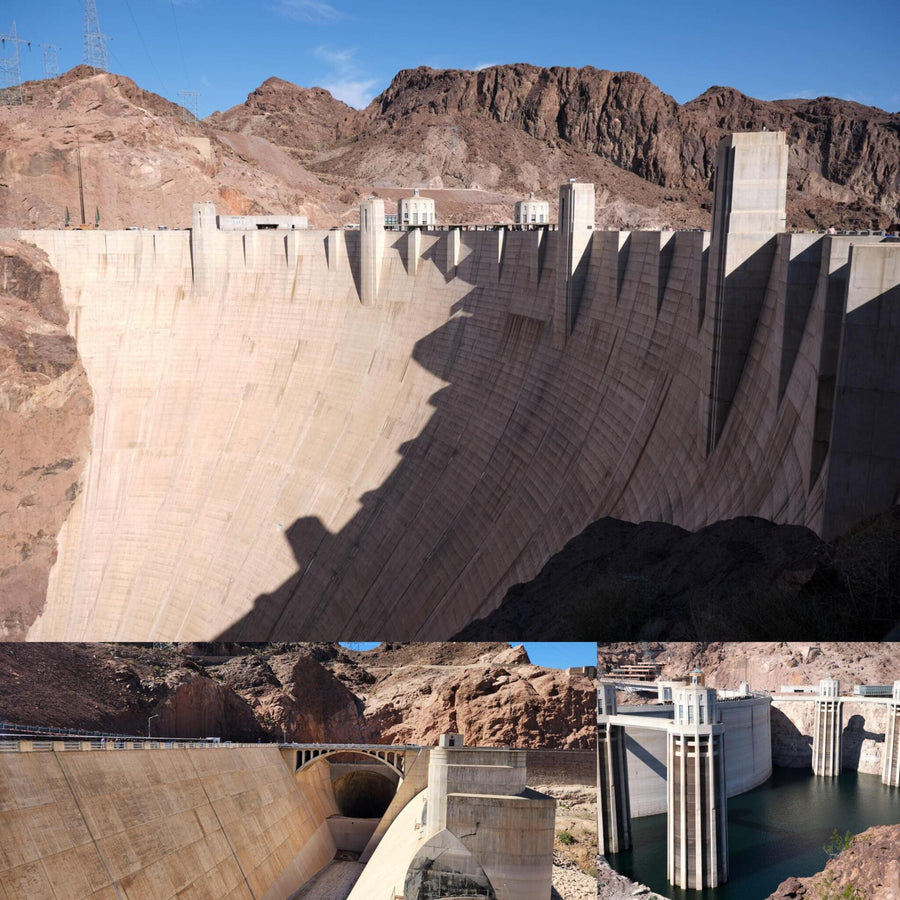 Hoover Dam270 photos$13.99
-
 Hydro Stations498 photos$12.99
-
 Electrical Substation61 photos$5.99
-
 Cockatoo Island Industrial Docks671 photos$19.995 videos$8.99
-
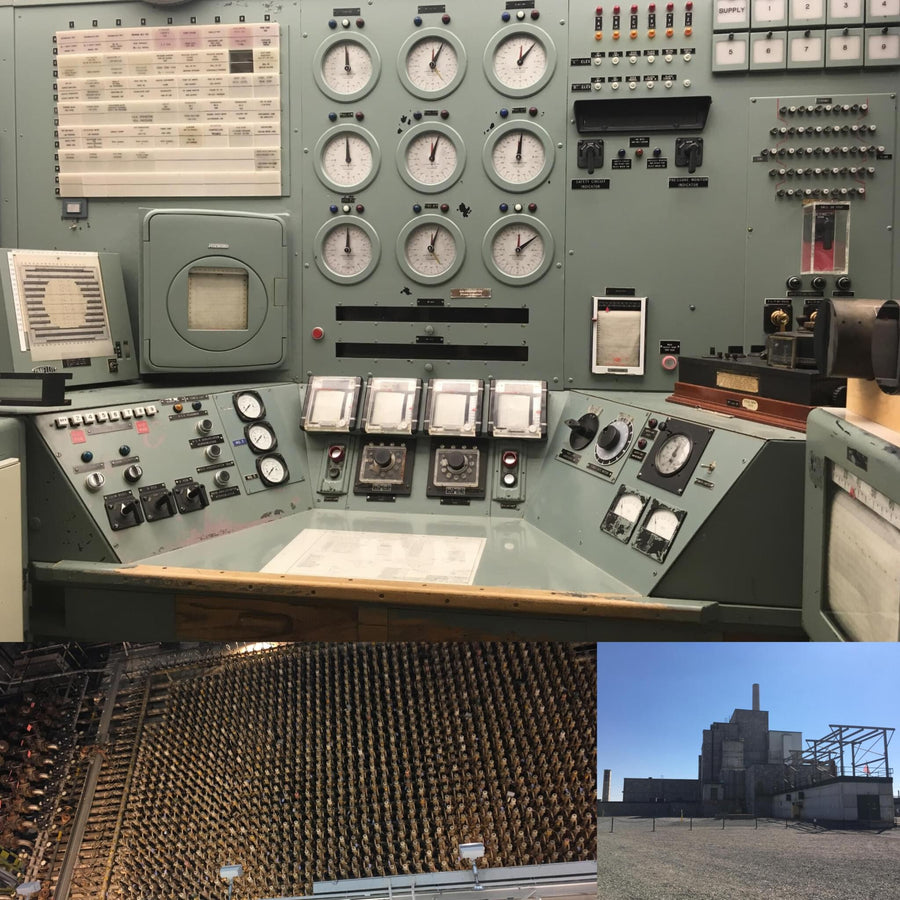 First Large-Scale Nuclear Reactor382 photos$11.99
-
 Huge Ground Digging Crawler770 photos$19.99
-
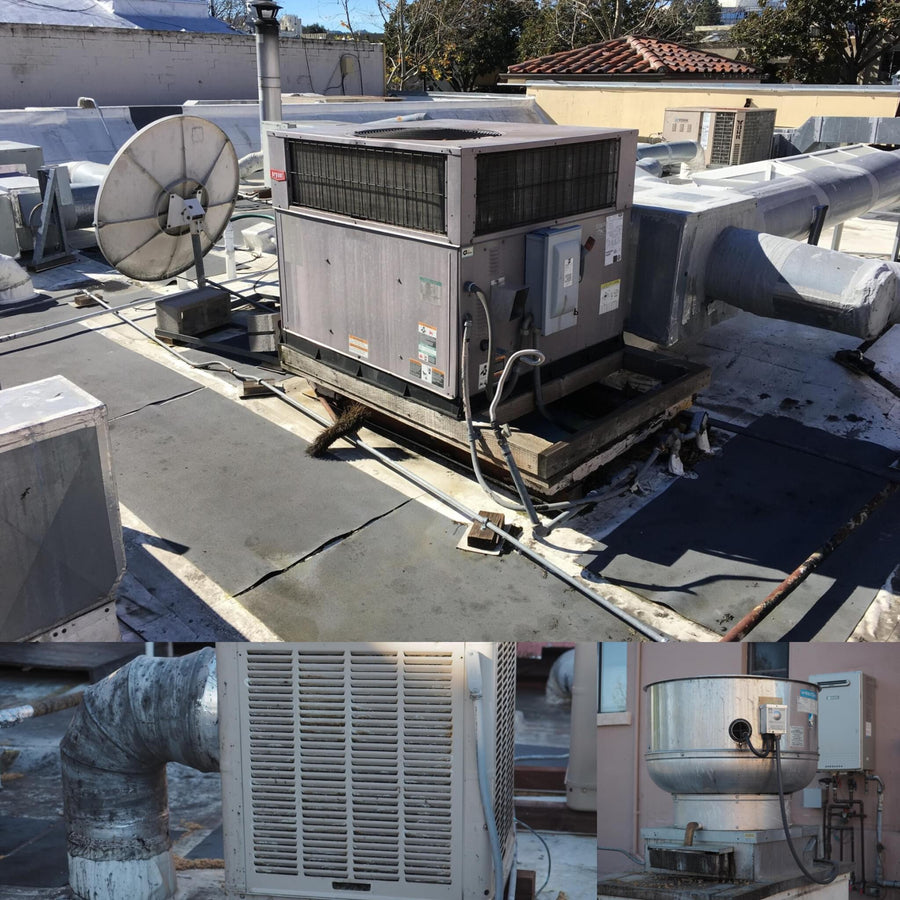 Rooftop Industrial Equipment298 photos$16.99
-
 Soviet Tesla Towers55 photos$6.99
-
 Vintage Car Radio Designs48 photos$5.99
-
 Radio Telescopes107 photos$12.99
-
 Overgrown Industrial Bulldozers120 photos$9.99
-
 Ship Equipment Dump169 photos$9.99
-
 Ship Repair Camp80 photos$7.99
-
 Ship Welding Equipment124 photos$12.99
-
 White Salt Fields Farming500 photos$19.99
-
 Old Warehouse of Rusty Machine Parts112 photos$11.99
-
 River Sand Sorting Facility317 photos$18.99
-
 Asian Trash Recycling Warehouse186 photos$14.99
-
 Colorful Salt Farm Fields and Sorting Facility199 photos$15.99
-
 Abandoned Small Wind Farm Island Facility117 photos$11.99
-
 Small Industrial Waste Sorting Warehouse98 photos$8.99
-
 Malaysian Construction Site at Night116 photos$9.99
-
 Small Metal Trash Sorting Facility52 photos$4.99
-
 Nepalese Hydro Dam Village63 photos$4.99
-
 Asian Construction Site Exterior at Night91 photos$7.99
-
 Bridge On The River Kwai183 photos$12.99
-
 Asian Building Demolition108 photos$7.99
-
 Foundation Building Site83 photos$5.99
-
 Building Crane47 photos$3.99
-
 Tall Crawler Crane147 photos$9.99
-
 Wide Beige Dam202 photos$13.99
-
 Bridged Hydrodam37 photos$3.99
-
Featured
 Soviet Abandoned Industrial Warehouse233 photos$19.99
-
 Abandoned Marble Quarry Cracked Mud Filled160 photos$14.99
-
 Saw Mill Steam Engine93 photos$9.99
-
 Black Tarp Covered Pit31 photos$4.99
-
 Brick Factory Harbour192 photos$12.99
-
 Road Sign Traffic Display42 photos$6.99
-
 Grimy Old Wind Turbines123 photos$12.99
-
 Lighthouse Equipment137 photos$9.99
-
 Giant Parasite Plant Consuming Another Tree119 photos$12.99
-
 Abandoned Industrial Concrete Building208 photos$11.99
-
 Open Sea Soviet Torpedo Factory82 photos$9.99
-
 Sand Quarry107 photos$4.99
-
 Small Mobile Drilling Machine276 photos$15.99


Industry that is still running
Most industrial reference online shows ruins. Working plants are much harder to photograph, because access is restricted and conditions are difficult. A few packs in this collection were shot inside operating sites:
- Huge Operational Steel Mill: 328 photos of an iron smelting facility in Russia.
- Underground Industrial Mining Equipment: 239 photos of a working mine, with grinding machines, cables, tubes, lights and engine rooms. It was shot in low light, often on a tripod.
- Paper Mill Industrial Complex: 189 photos of pipe structures, walkways and ladders in Finland. It was shot in overcast light and includes stitched panoramas along with the original frames.
- Soviet Tesla Towers: 55 photos of an experimental high-voltage station built to create artificial lightning. It is still in scientific use.
Power: dams, substations and lines
Power infrastructure gives a landscape a sense of scale. Hoover Dam was photographed in October 2022, when Lake Mead was at a record low and much more of the concrete was visible than usual. The pack has 270 photos at 6240 × 4160. Hydro Stations (498 photos, New Zealand) shows two river dams, including six huge concrete pipes running down to a power house. For close-up equipment, the Electrical Substation pack (61 photos, $5.99) covers transformers, relays and circuit breakers.
Pipes, platforms and scale
The most common mistake in industrial concept art is scale. A pipe can be 5 cm or 5 m wide, and without a cue the viewer cannot tell. Real photos give you those cues: handrails, stairs, ladders, doors and bolts that have a fixed human size.
- Technological Pipelines: 182 photos of service pipelines in an industrial zone in Kamenskoye, Ukraine.
- Rooftop Industrial Equipment: 298 photos of vents, pipes, generators, cameras, metal stairs and electrical boxes. It is ideal kitbash material for rooftops.
- Huge Ground Digging Crawler: 770 photos of one large digging machine from aerial views to close-ups, in overcast, sunny, sunset and night light.
Hard-surface artists can build their own models and textures from any of these packs. The license allows it. For futuristic uses, see sci-fi terrain and industrial reference.
Industrial history
- Cockatoo Island Industrial Docks, Sydney: 671 photos of a dockyard where ships were built and repaired from the early to the mid-20th century. Folders cover cranes (90 photos), the main workshop (280) and tunnels (97), and the pack includes short video clips.
- First Large-Scale Nuclear Reactor, Washington State: 382 photos of the reactor built for plutonium production during World War II. Controls, switches, pipes, old signs and the reactor face. It was shot on a phone at 4032 × 3024.
Industrial sites that have closed and decayed are on our abandoned places page.
Frequently asked questions
Is the steel mill really in operation?
Yes. The pack was shot in an operating iron smelting facility in Russia. The preview images on the product page show the kind of spaces it covers.
Why are some packs shot on a phone?
Some contributors photographed rare locations on a phone, because that was the camera they had with them. Each product page lists the camera and resolution, so you know what you get before you buy.
Can I use these photos as textures?
Yes. Rust, concrete, painted steel and grating all work as texture sources. The license allows you to create your own textures and 3D models from the photos for your projects. You can't resell the photos themselves.
Which packs are best for a sci-fi factory?
Start with the paper mill and the rooftop equipment pack. Both are full of repeating mechanical detail that adapts well to science fiction.