Animal Reference Photos for Artists
Drawing an animal well takes more than one good photo. Each Fotoref pack follows one kind of animal through dozens or hundreds of frames, so you can study how it stands, moves and looks up close. There are 43 animal packs: mammals, birds, reptiles, fish and insects. Start with Macaque Monkeys (424 photos), Fur Seals Colony (405 photos) or Giraffes (296 photos).
-
 Macaque Monkeys424 photos$24.99
-
 Fur Seals Colony405 photos$19.995 videos$5.99
-
 Giraffes296 photos$19.99
-
 Ring-Tailed Lemur211 photos$19.99
-
 Rogue Rabbit Colony198 photos$15.99
-
 Istanbul Cats110 photos$8.99
-
 Flying Foxes171 photos$18.99
-
 Butterflies and Moths87 photos$5.99
-
 Tasmanian Devil122 photos$14.992 videos$4.99
-
 Antelopes224 photos$12.99
-
 Water Buffalo Herd92 photos$8.99
-
 Long-Tailed Monkeys158 photos$9.99
-
 Sardines Fish Clouds220 photos$9.99
-
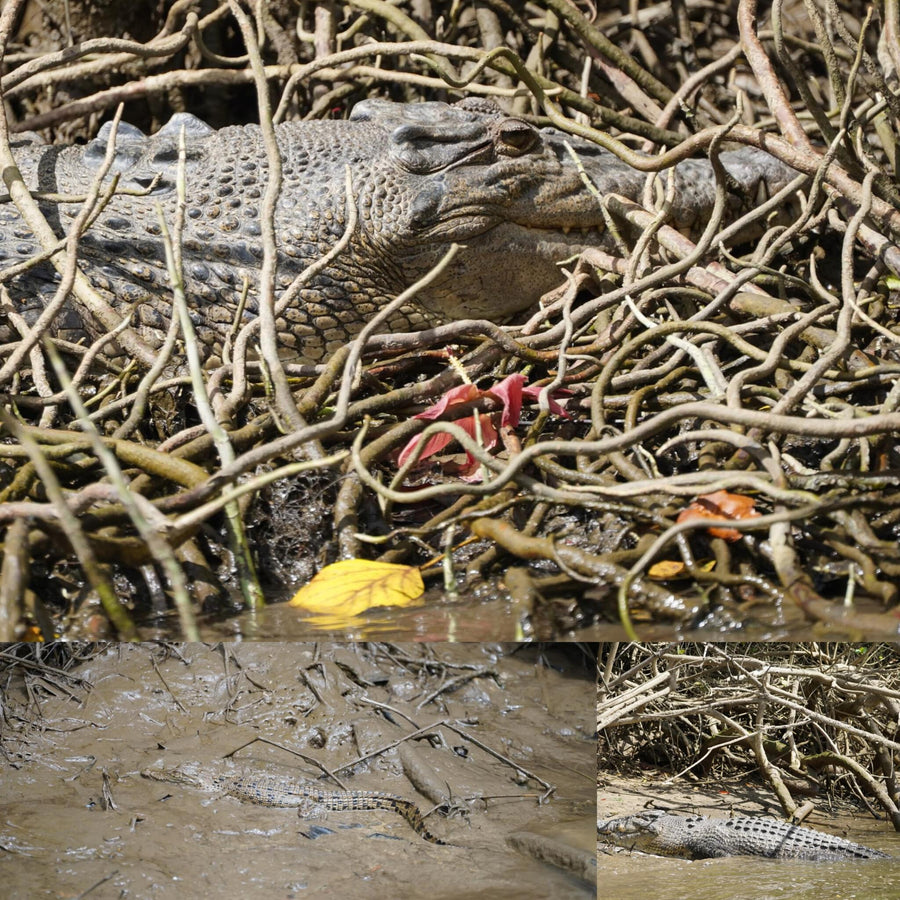 Saltwater Crocodiles in Wild136 photos$9.99
-
 Koi Fish61 photos$7.99
-
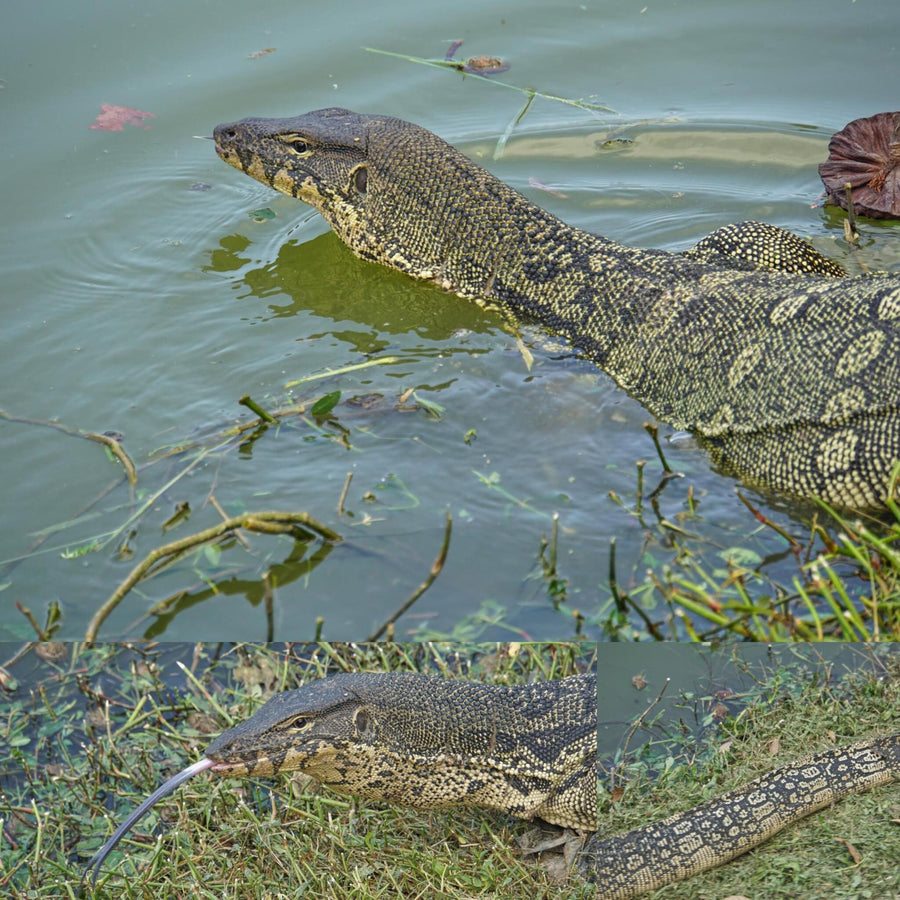 Water Monitor Lizard30 photos$7.99
-
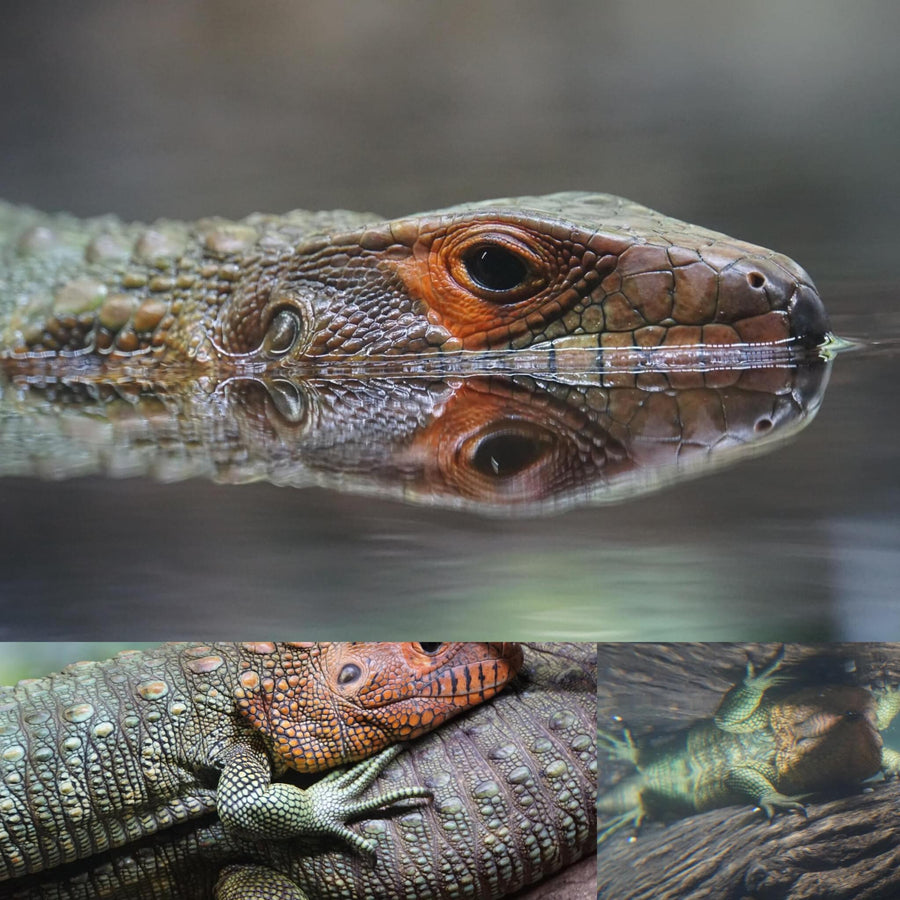 Northern Caiman Lizard97 photos$14.99
-
 Malayan Tapir108 photos$9.99
-
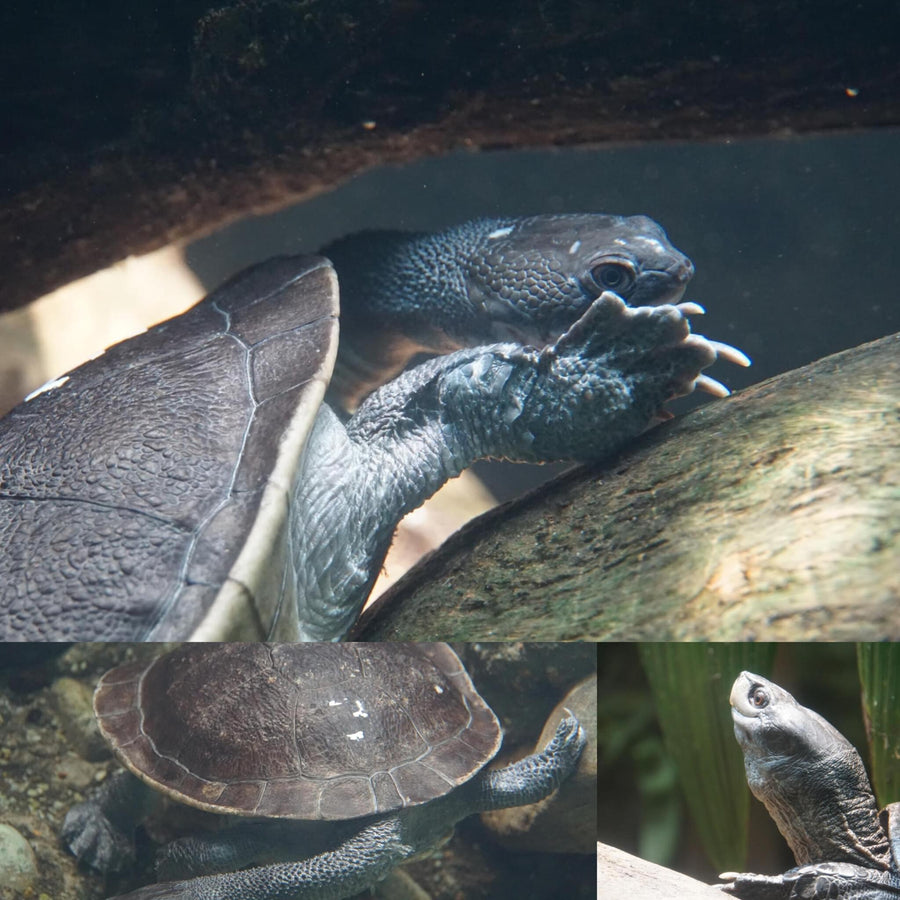 Snake-Necked Turtle97 photos$12.99
-
 White Tiger165 photos$14.99
-
 White Rhinos151 photos$14.99
-
 Shoebill41 photos$9.99
-
 Desert Warthog136 photos$12.99
-
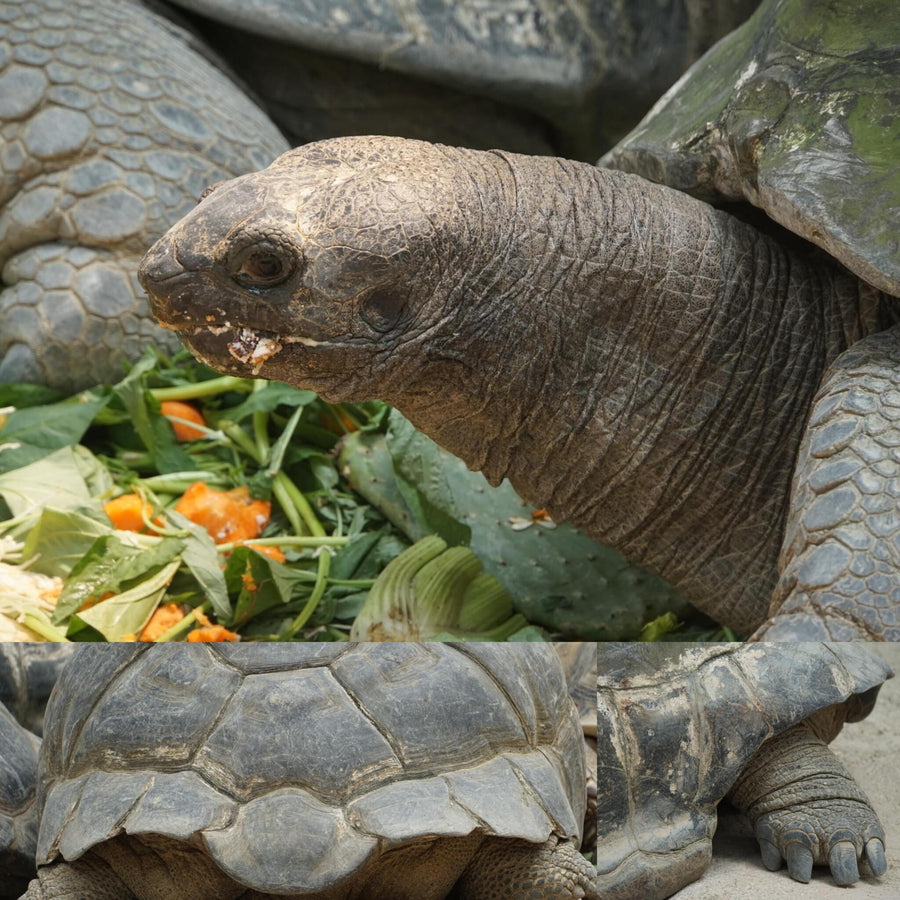 Giant Tortoise92 photos$12.99
-
 Babirusa147 photos$12.99
-
 Donkey43 photos$5.99
-
 Deer53 photos$5.99
-
 Alpaca81 photos$6.99
-
 Tigers182 photos$12.99
-
 Zebras162 photos$19.99
-
 Indian Elephants241 photos$19.99
-
 Pygmy Hippopotamus109 photos$15.99
-
 Hamadryas Baboon175 photos$15.99
-
 Kunekune Pig83 photos$12.99
-
 Meerkats172 photos$15.99
-
 Dinosaur Skeletons209 photos$9.99
-
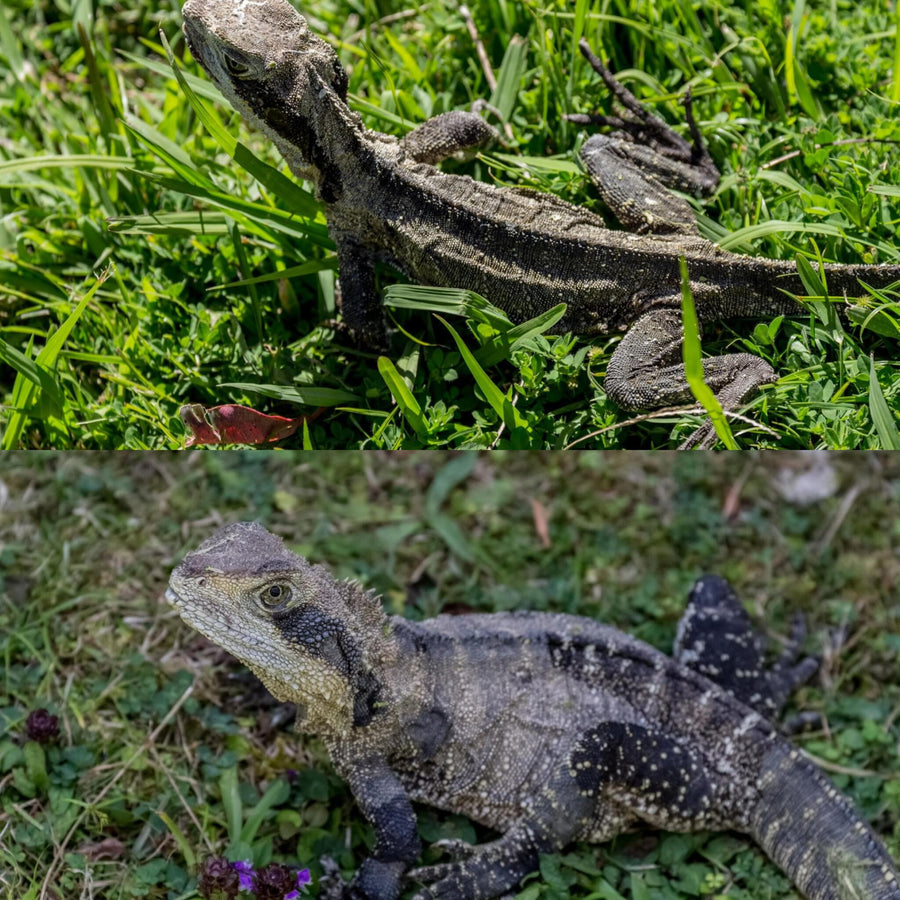 Eastern Water Dragon71 photos$5.99
-
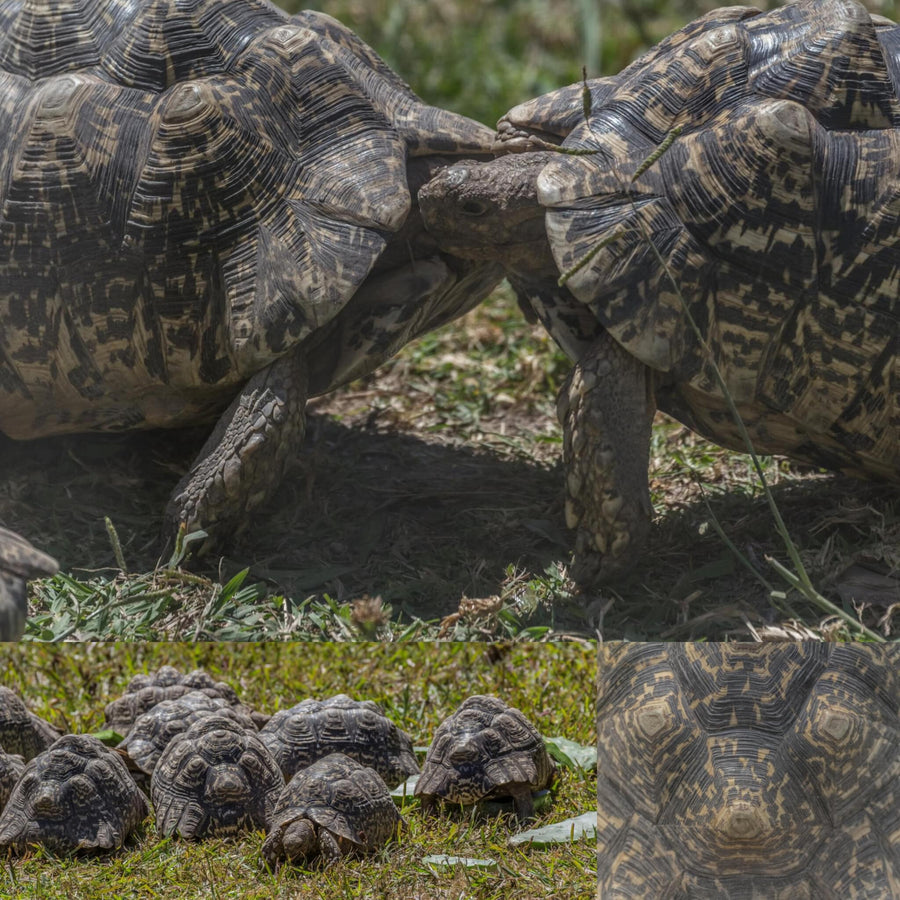 Leopard Tortoise190 photos$9.99
-
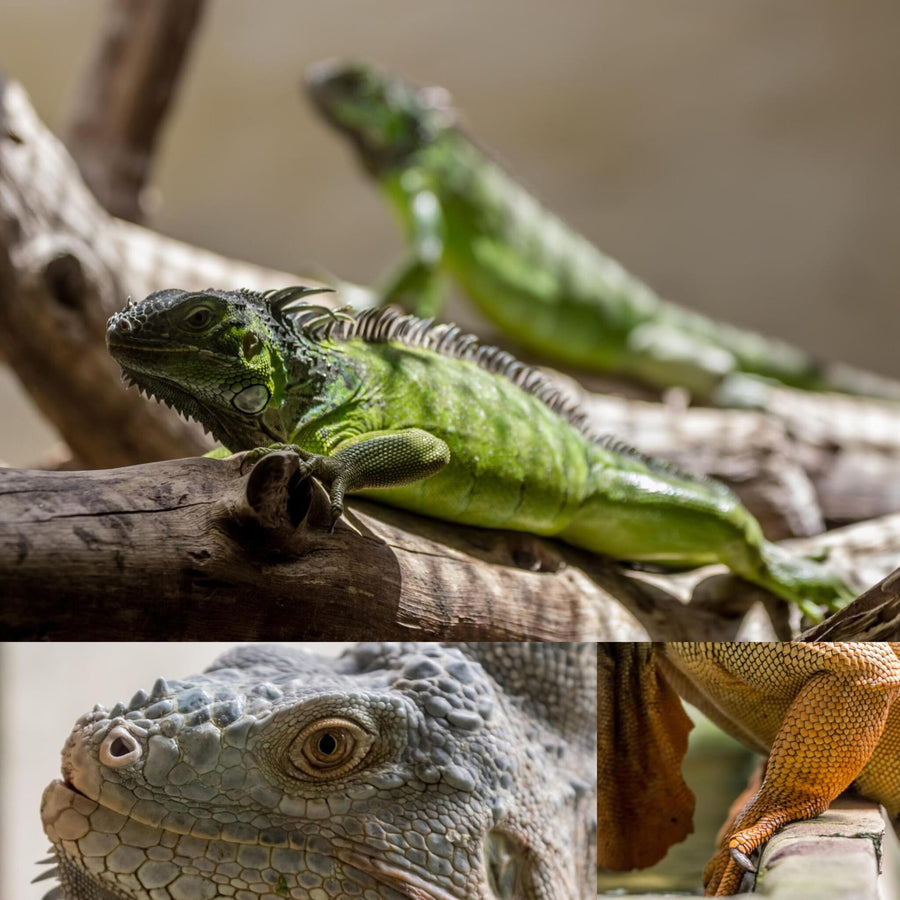 Green Iguana Lizards149 photos$12.99
-
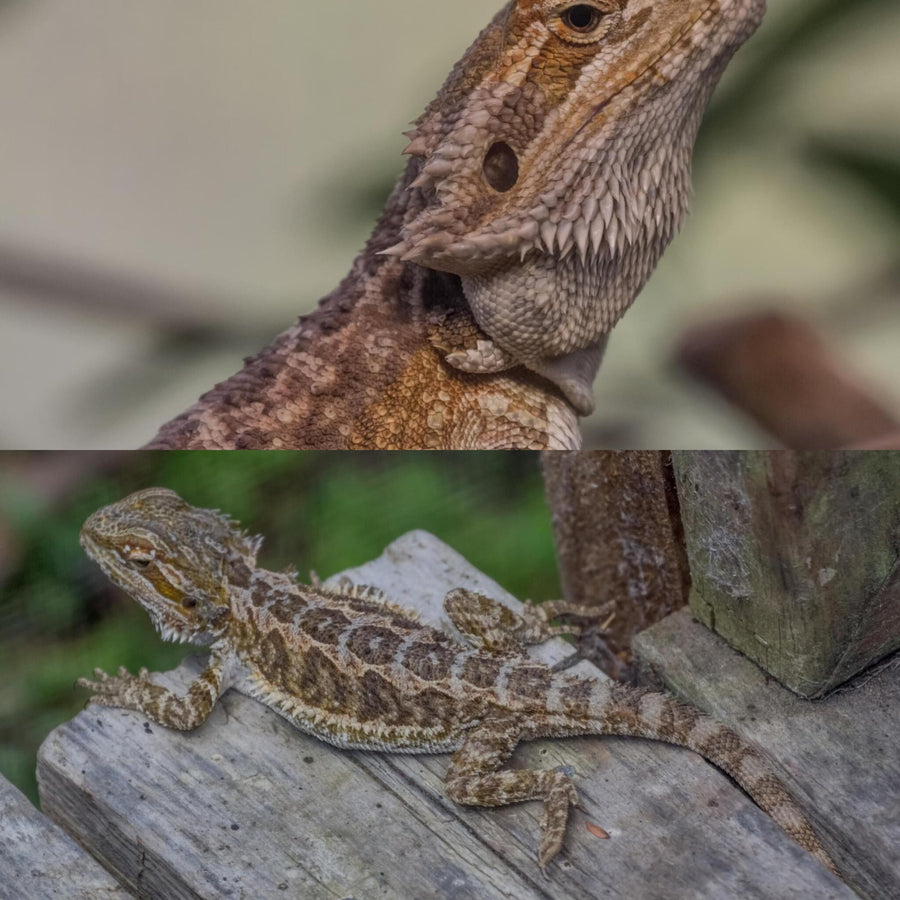 Eastern Bearded Dragon31 photos$4.99
-
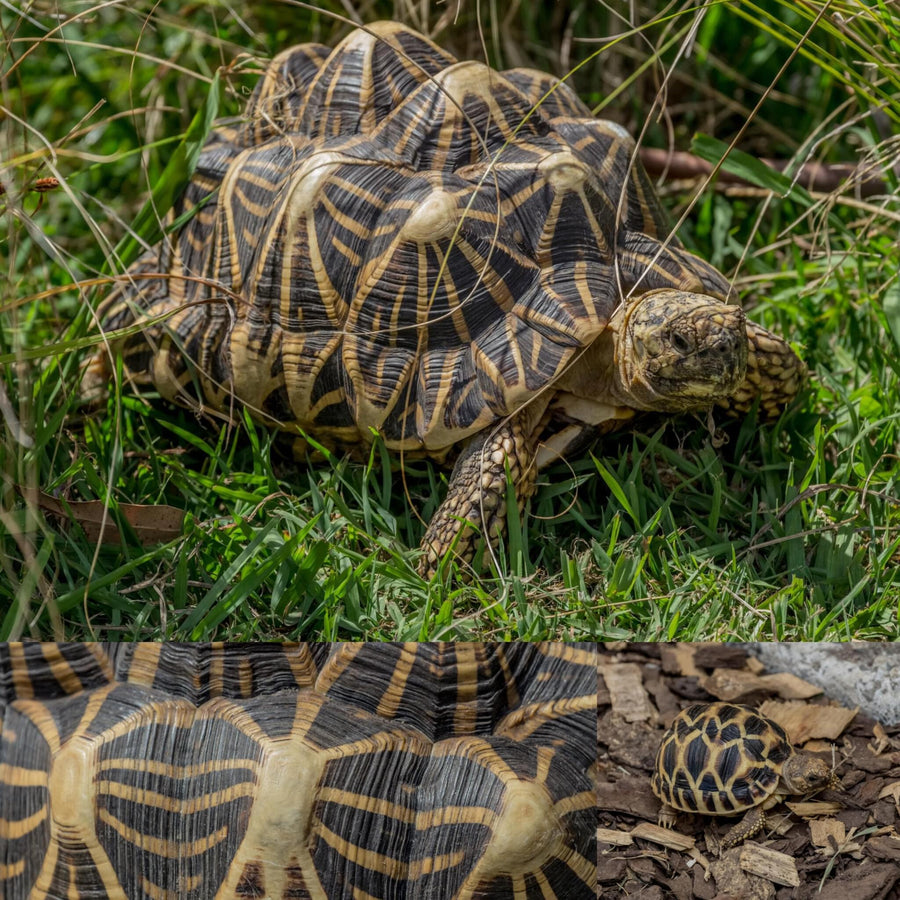 Star Tortoise56 photos$9.99
-
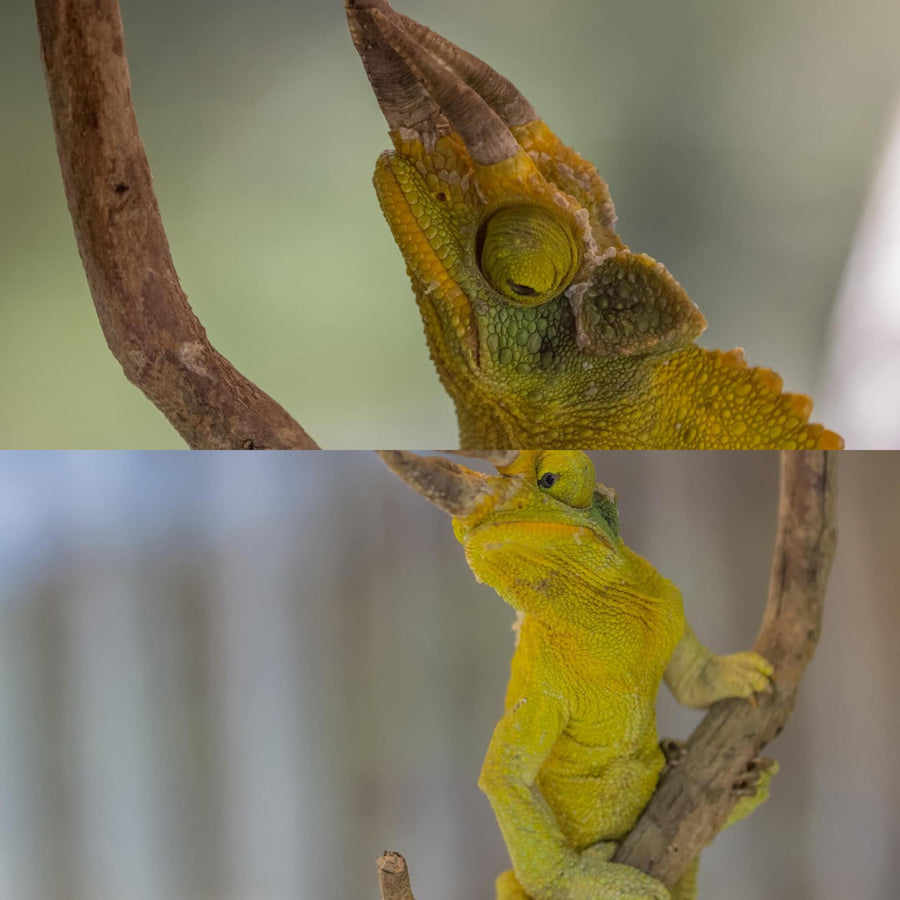 Three-Horned Chameleon40 photos$4.99
-
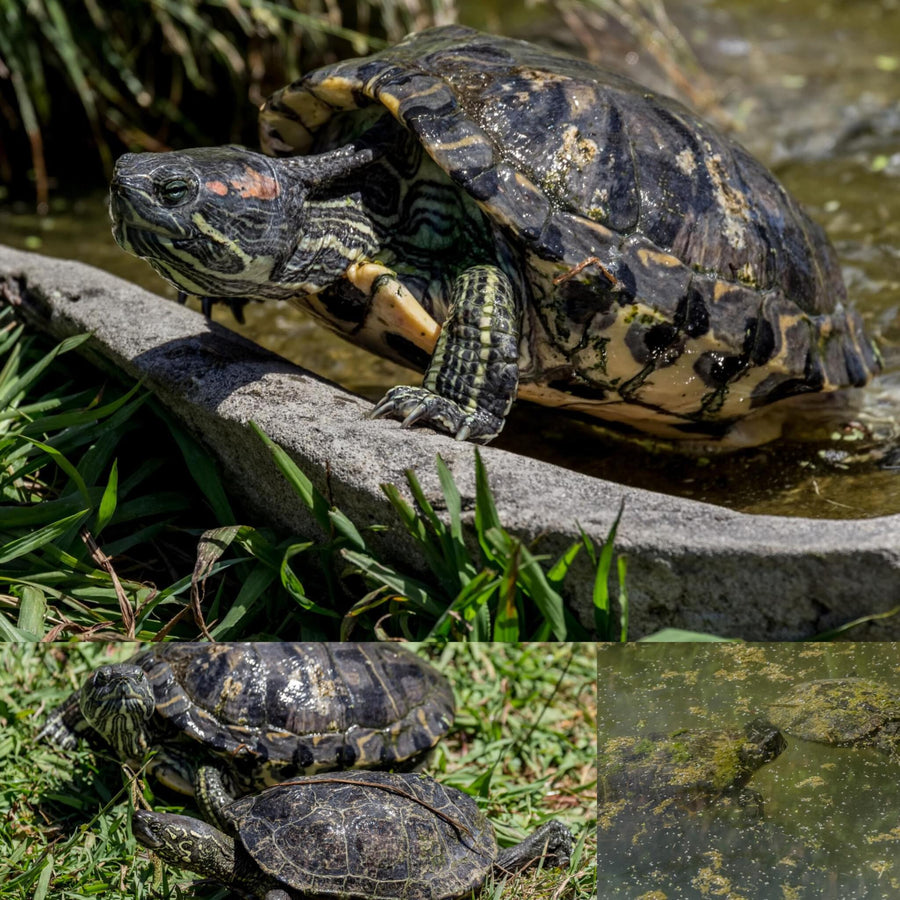 Red-Eared Terrapin and Reeves Turtles77 photos$8.99


One animal, many frames
An image search gives you many animals, each from one angle, in different light, at different sizes. That is hard to draw from. A Fotoref pack gives you the opposite: one subject, photographed in one session, from many sides. You can compare the front leg in frame 12 with the same leg in frame 40 and understand how it bends.
These are real photographs, taken by contributing photographers with cameras such as a Nikon D810, a Canon 77D with a 70-300mm L lens, or a Sony a7c. Each product page names the photographer, the camera, the resolution and, where known, the location.
Choose a pack by what you need to study
Gesture and movement. Look for packs that mention sequences. Macaque Monkeys has 424 photos at 7360 × 4912 of monkeys running, climbing, eating and fighting at the Ubud Monkey Forest in Bali. Ring-Tailed Lemur has 211 photos with several walking and crawling sequences.
Texture and close-up detail. Giraffes includes close-ups of skin, fur, hooves and spots across 296 photos. Butterflies and Moths has 87 photos of colorful butterflies and moths, shot in Australia.
Behavior in groups. Fur Seals Colony is sorted into folders for adults, cubs, juveniles and a seal couple. Flying Foxes has 171 photos of a colony of large bats roosting in a eucalyptus forest in Australia, with a few flight sequences.
Animals in their setting. Rogue Rabbit Colony has 59 photos of wild rabbits and 139 photos of the land around their burrows in New Zealand. Istanbul Cats has 110 photos of the city's free-roaming cats in the streets, from playful kittens to resting adults.
How to read a pack page
Before you buy, check four things on the product page:
- Photo count and file size. A pack with 40 photos is a focused study. A pack with 400 covers many poses and individuals.
- Quality. This is the resolution of the original files, often 6000 × 4000 pixels.
- Contents. Many descriptions list sub-folders, such as adult, juvenile and baby animals, so you know how the photos are split.
- Location. Where the photographer provided it, the location tells you whether the animals were photographed in the wild, at a reserve or at a zoo.
Where to go next
This page shows every animal pack. If you have a narrower goal, these pages pick the packs for you:
- Painting animals to sell: wildlife art reference
- Giraffes, rhinos, big cats and primates: safari animal reference
- Lizards, tortoises and crocodiles: reptile reference
- Strange anatomy for monsters and aliens: creature design reference
Frequently asked questions
How many animal packs are there?
The Animals collection has 76 packs, including 31 bird packs, 26 mammal packs and 12 reptile packs. They come from several photographers working in Australia, New Zealand, Southeast Asia and elsewhere.
Do any packs include video?
Yes. A few packs include short video clips next to the photos, such as Tasmanian Devil (2 clips) and Fur Seals Colony. The product page lists each clip and its length.
What resolution are the animal photos?
It depends on the photographer and camera. Many packs are 6000 × 4000 pixels. Macaque Monkeys and Koi Fish, shot on a Nikon D810, are 7360 × 4912. A few older packs are 5100 × 3450 or smaller. The exact resolution is listed as "Quality" on each product page. If you want to try the format first, Pier Bird Colony is a free pack.
Can I sell artwork I make from these animal photos?
Yes. Drawings, paintings and illustrations you create using the photos as reference are your own work, and every license covers unlimited projects with no expiry. Reproducing a photo itself on a product or in an ad depends on the content type shown on the product page.