

Creature Design Reference From Real Animals
The strangest creatures in concept art are often built from animals that already exist. This creature design reference collection gathers real animals with unusual anatomy: tusks that curve back toward the face, a beak like a wooden shoe, horns on a lizard's head, and full dinosaur skeletons. Start with Babirusa (147 photos), Shoebill (41 photos) or Dinosaur Skeletons (209 photos).
-
 Babirusa147 photos$12.99
-
 Shoebill41 photos$9.99
-
 Malayan Tapir108 photos$9.99
-
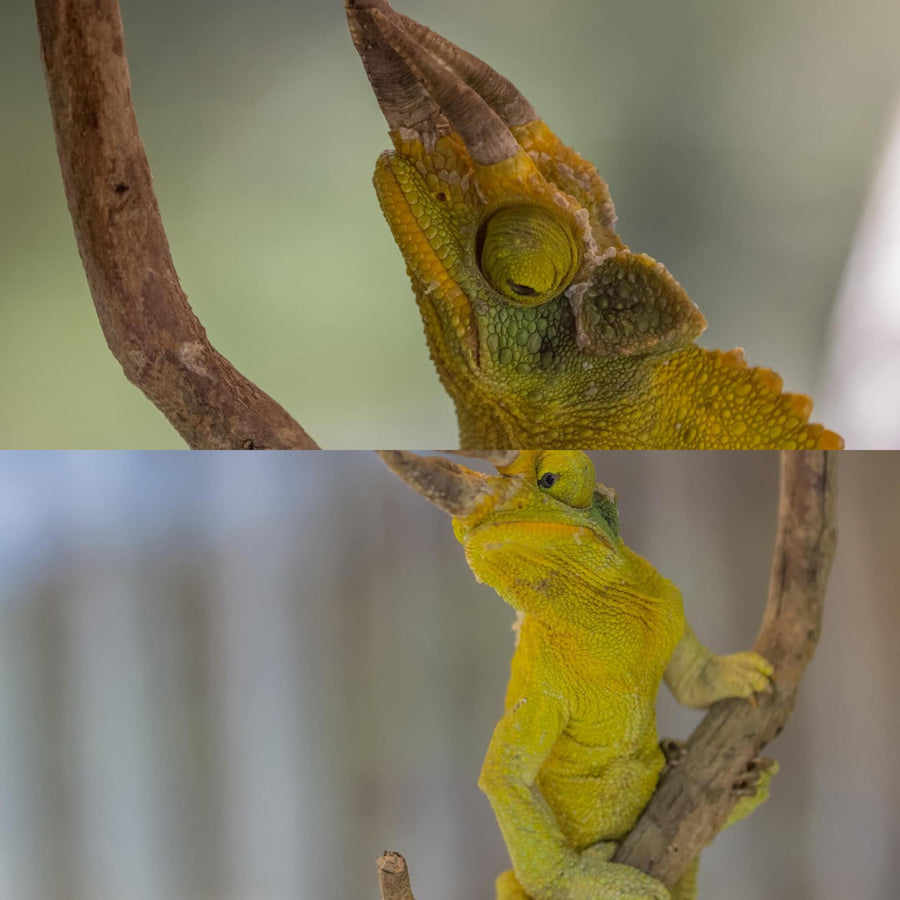 Three-Horned Chameleon40 photos$4.99
-
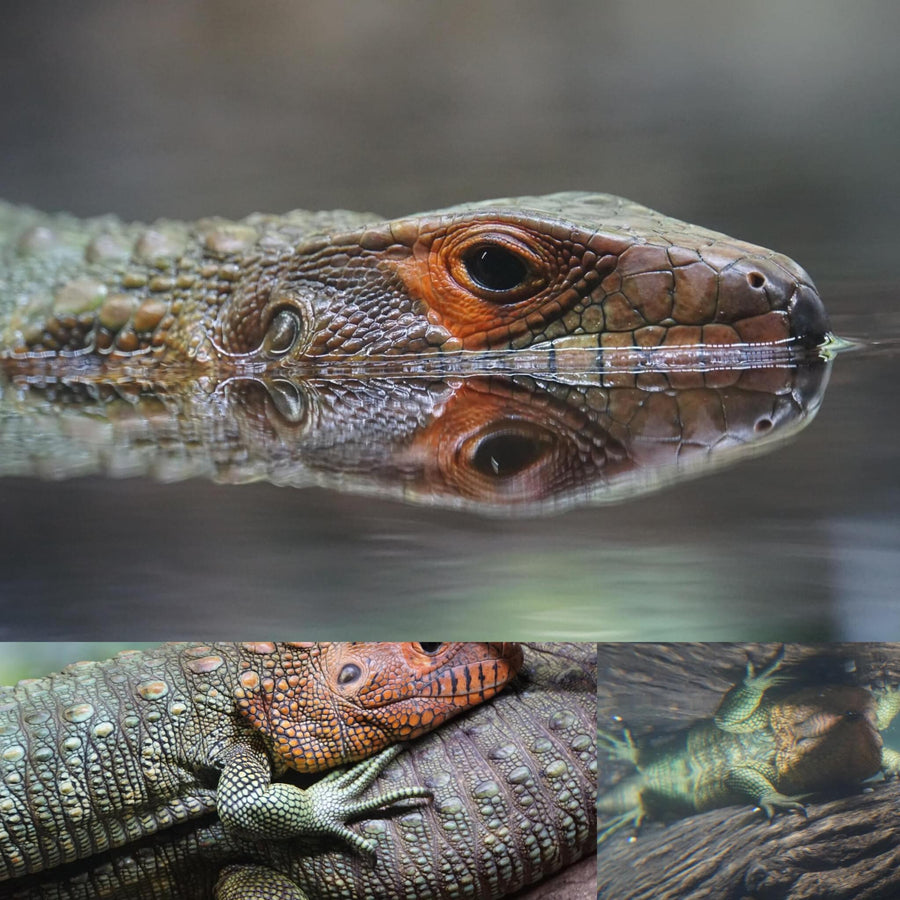 Northern Caiman Lizard97 photos$14.99
-
 Dinosaur Skeletons209 photos$9.99
-
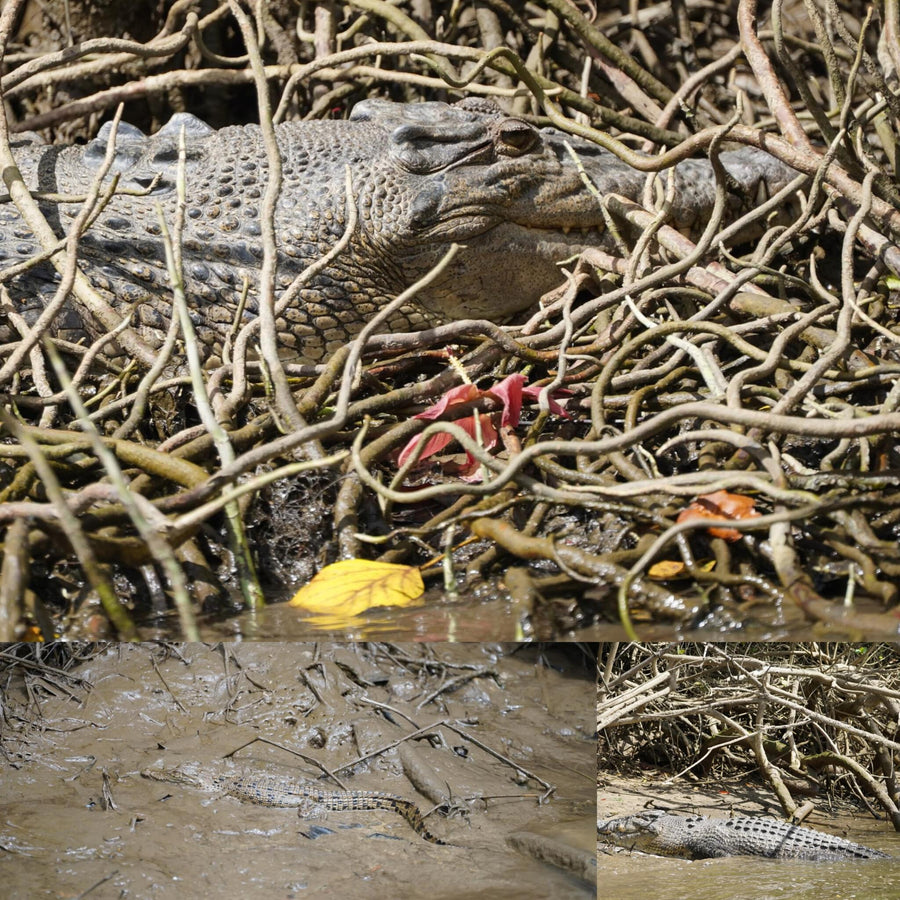 Saltwater Crocodiles in Wild136 photos$9.99
-
 Pygmy Hippopotamus109 photos$15.99
-
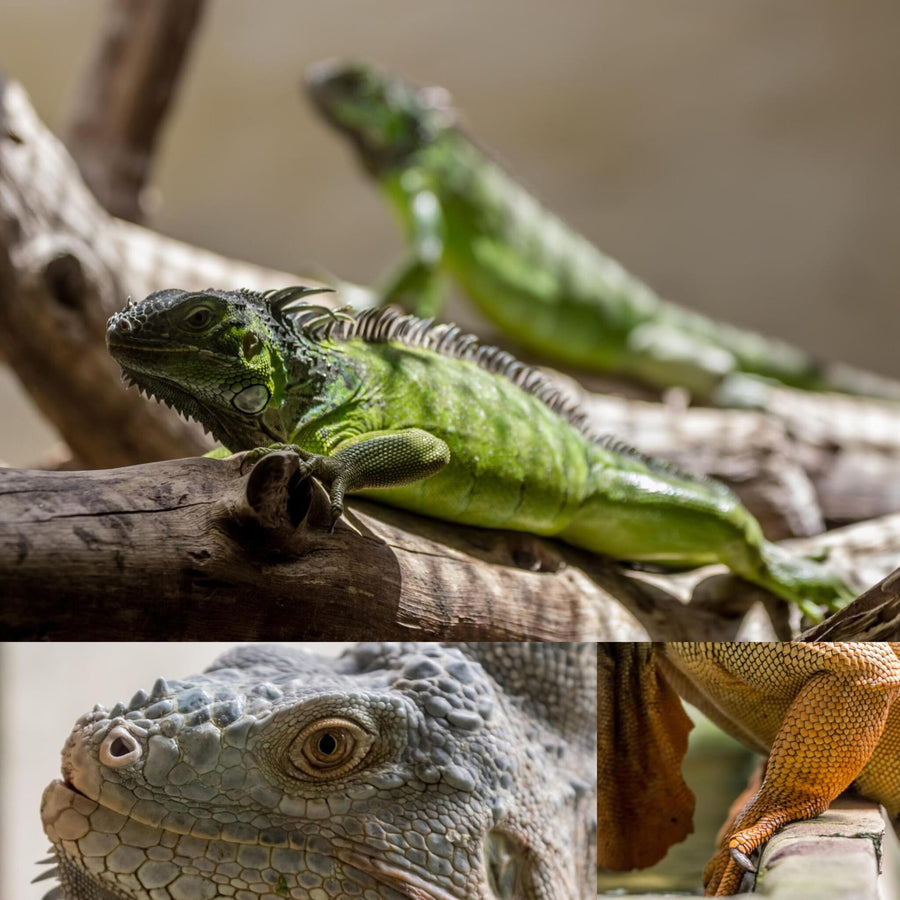 Green Iguana Lizards149 photos$12.99
-
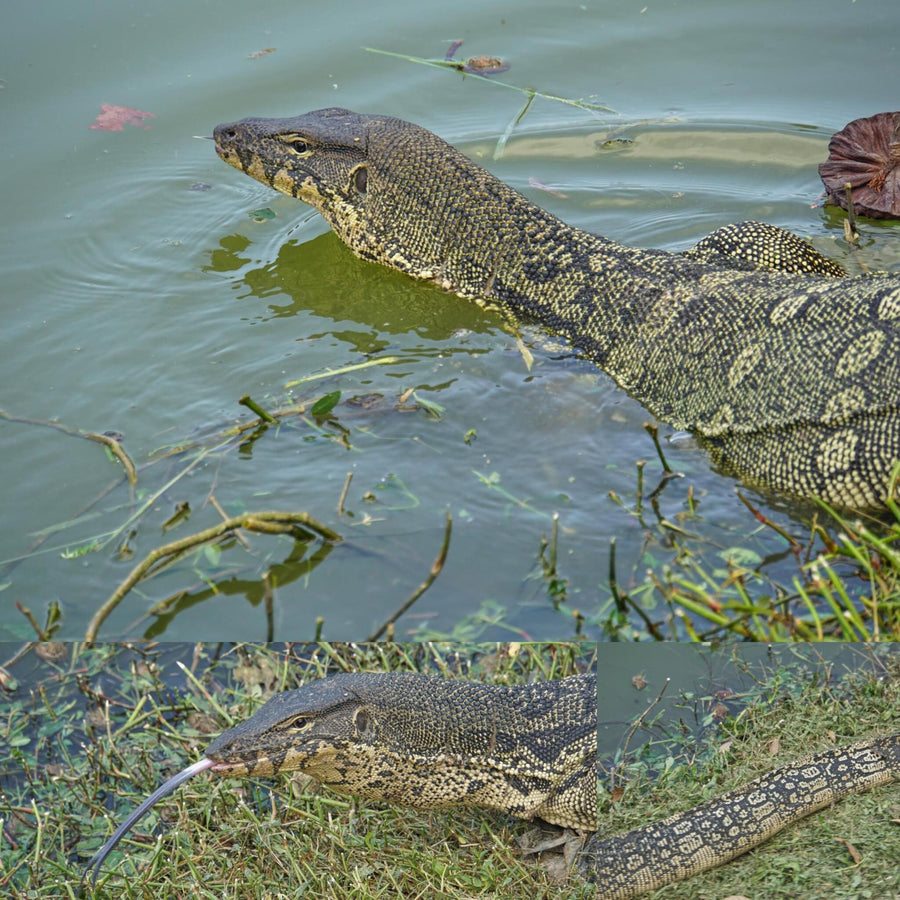 Water Monitor Lizard30 photos$7.99
-
 Butterflies and Moths87 photos$5.99


Why designers start with real anatomy
A creature feels believable when its parts could work. Jaws need muscles to close them. Legs need joints that carry the weight. Horns grow from bone. When you combine parts of real animals, you inherit solutions that already work, and the viewer accepts the result even if they have never seen it before.
Real photos also show you the details that are easy to miss when you invent: where scales get smaller around the eye, how skin wrinkles behind a tusk, how a heavy animal shifts its weight. Every pack here was photographed by a real contributor, and each product page lists the camera and resolution.
Tusks, beaks, snouts and horns
- Babirusa: 147 photos at 6000 × 4000 of a wild pig from Southeast Asia known for its curved tusks. Photographed in Singapore.
- Shoebill: 41 photos of the large African bird with a massive, hooked bill. Useful for any creature that needs a heavy beak and a fixed stare.
- Malayan Tapir: 108 photos of two tapirs, with their short, flexible snouts and black-and-white bodies.
- Three-Horned Chameleon: 40 photos of a male Jackson's chameleon from many angles, with close-ups of different parts of the body.
Scales, armour and skin
Reptile skin is the most common base for dragons and monsters, and each species solves armour differently. Northern Caiman Lizard has 97 photos of a lizard with heavy, crocodile-like scales, photographed in Singapore. Saltwater Crocodiles in Wild has 136 photos of male, female and baby crocodiles photographed in the wild in Queensland, with close-ups and details. Green Iguana Lizards shows a large male in bright orange breeding colors, next to females and a juvenile, in 149 photos. For more species, see our reptile reference photos.
For smooth, heavy skin instead of scales, Pygmy Hippopotamus has 109 photos, including a few underwater shots.
Skeletons for structure
When a design needs a believable frame, start with bones. Dinosaur Skeletons has 209 photos at 6000 × 4000, shot in Australia, with a folder for each specimen:
- Giganotosaurus (34 photos), Stegosaurus stenops (37) and Jobaria tiguidensis (52)
- Chasmosaurus belli (41), plus 11 photos of its skull
- Muttaburrasaurus langdoni (33)
- Skulls of Allosaurus fragilis (11) and Cryolophosaurus ellioti (4)
Use them to study how a long neck is supported, how a tail balances a body, or how a frill attaches to a skull.
Wings and small details
Insect wings make good membranes and patterns for flying creatures. Butterflies and Moths has 87 photos of colorful butterflies and plainer moths, shot in Australia.
Frequently asked questions
Can I sculpt or model a 3D creature from these photos?
Yes. The license allows you to create your own 3D models, sculpts and textures from the photos for your projects, including game and film work. You cannot resell the photos or the packs themselves.
Can I photobash parts of these animals directly into my concept art?
Yes. Photobashing and concept art are uses the license covers for every content type. If the photo itself will appear in an advertisement or on a product for sale, check the content type on the product page first.
Our creature team shares one reference library. Which license do we need?
An Individual license is for one person. For an organisation whose art team is 10 people or fewer, choose Small Studio. For a larger team, choose Large Studio. Both cover unlimited projects with no expiry.