

WWII Warbirds, Photographed Up Close
Surviving WWII aircraft are spread across museums on several continents. These WW2 aircraft reference photos bring them together as walkaround packs, one airframe per pack. Start with the B-29 Superfortress (107 photos), the Japanese Ki-43 Hayabusa "Oscar" (45 photos) or the Il-2M3 Shturmovik (38 photos, $2.99). Browse the full collection below.
-
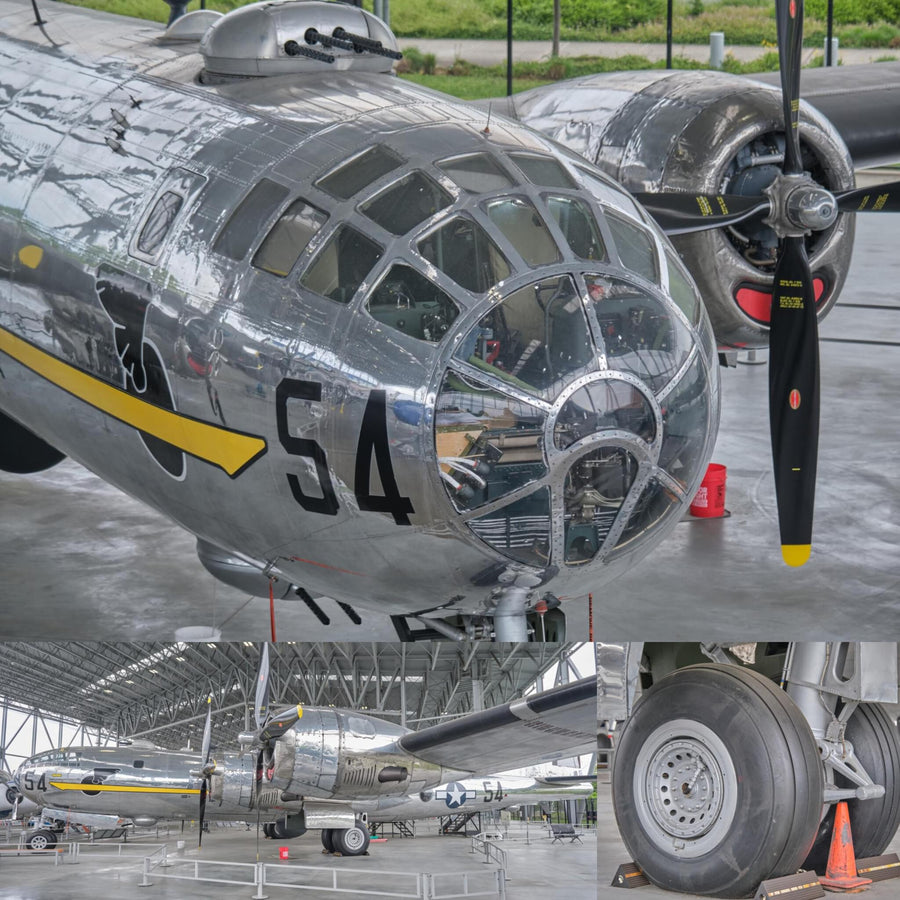 Bomber Boeing B-29 Superfortress107 photos$7.99
-
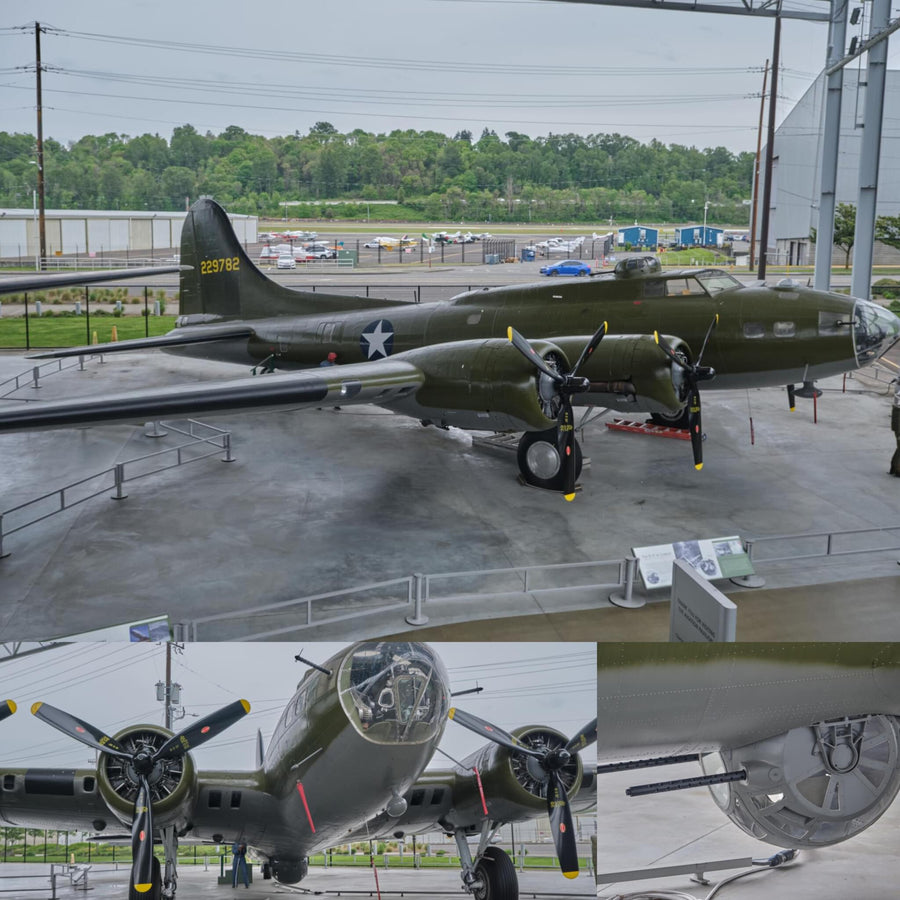 Bomber Boeing B-17F Flying Fortress107 photos$9.99
-
 Nakajima Ki-43-Ib Hayabusa - Oscar45 photos$3.99
-
 Soviet Ground Attack Aircraft Ilyushin Il-2M3 Shtu38 photos$2.99
-
 Soviet Fighter Polikarpov I-16 Type 24 Rata30 photos$2.99
-
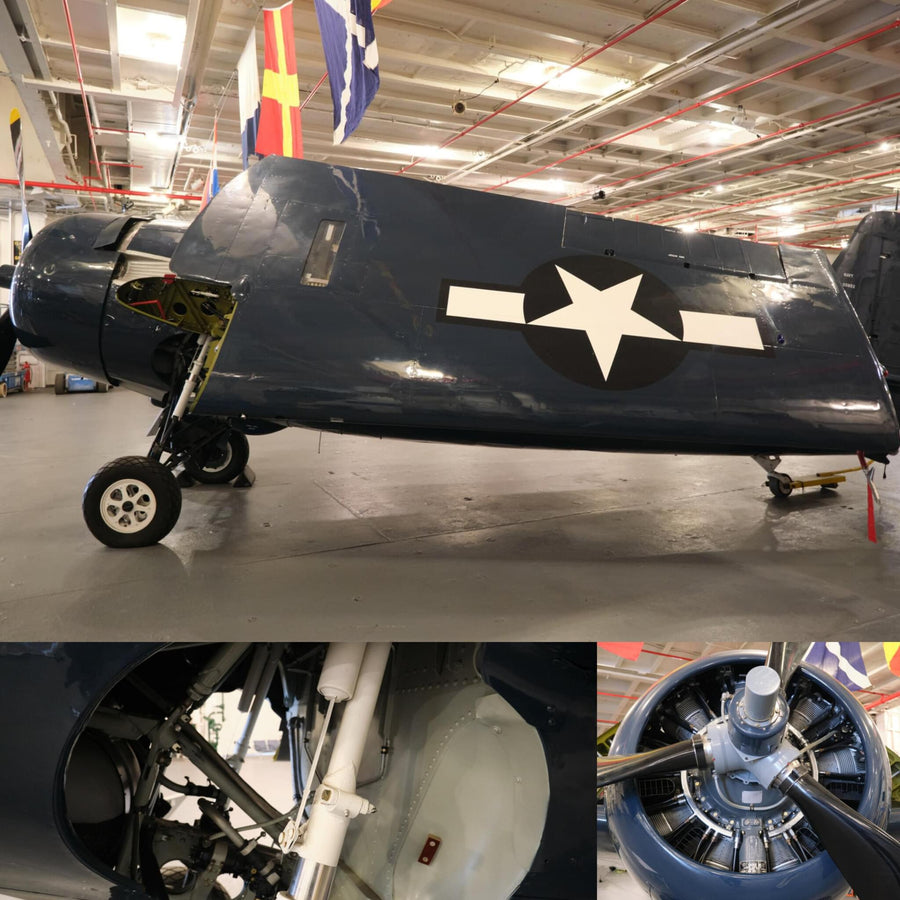 Fighter Plane Grumman FM-2 Wildcat27 photos$2.99
-
 WWI Aircraft172 photos$7.99
-
 World War II & Cold War Nuclear Bombs69 photos$5.99
-
 1928 Polikarpov U2 Po2 Utility Biplane55 photos$4.99
-
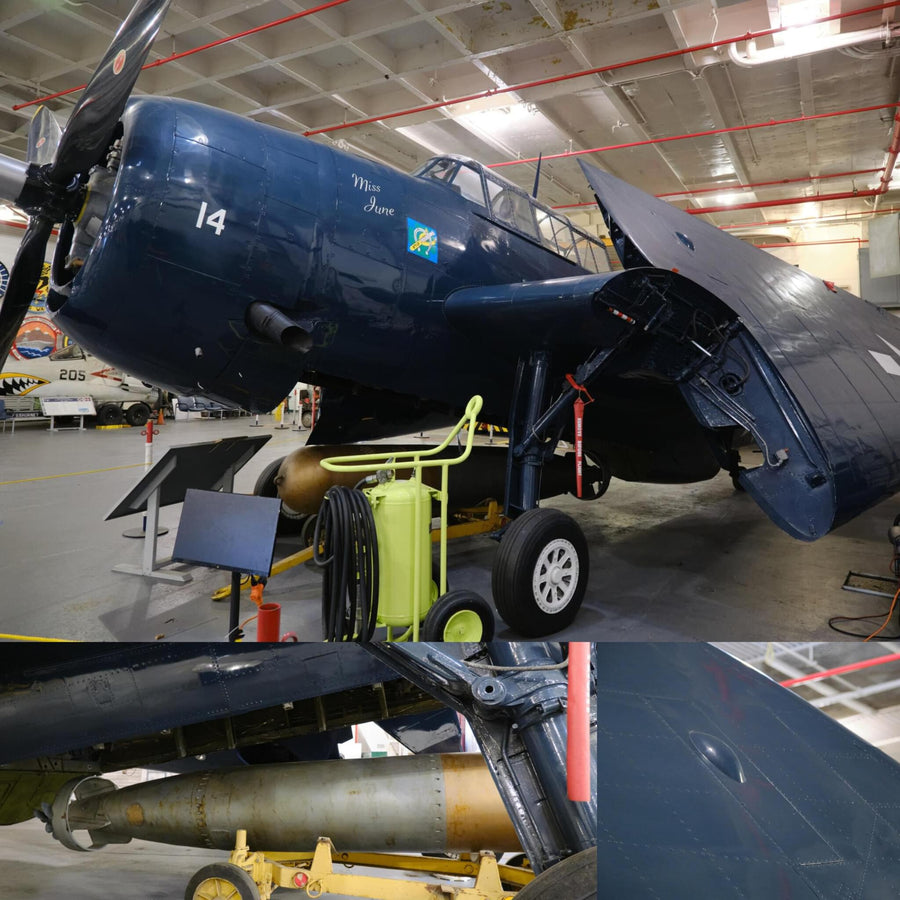 Torpedo Bomber Grumman TBM-3E Avenger55 photos$4.99


Four air forces in one collection
Most warbird books cover one nation. This collection crosses the front lines, so you can build both sides of a campaign from the same kind of reference:
- United States, bombers: the B-17F Flying Fortress and the B-29 Superfortress, both photographed in Seattle.
- United States, carrier aircraft: the FM-2 Wildcat (27 photos) and the TBM-3E Avenger. Both have their own page in naval aviation reference.
- Japan: the Ki-43-Ib Hayabusa, the Imperial Japanese Army's main fighter for much of the war.
- Soviet Union: the Il-2M3 and the I-16 Type 24 "Rata" (30 photos). More Eastern Front types are on the Soviet aircraft page.
Heavy bombers at full size
A 1/72 or 1/48 bomber kit has hundreds of parts, and the box art shows almost none of them. The two bomber packs give you 107 photos each, shot on a Fujifilm X-T3 at 6240 × 4160 pixels. That is more than 1.5 GB per pack.
The B-17F pack covers the four Wright R-1820-97 Cyclone engines and the gun positions of an aircraft that carried 11 machine guns. The B-29 pack shows the long, smooth fuselage, the large wing and the four Wright R-3350 radials. At this resolution you can follow a panel line from the cowling to the wing root and count the fasteners on an access panel.
Restored airframes: what to trust
Every aircraft here survived because someone saved it, and most were rebuilt along the way. The pack descriptions are open about this:
- The B-17F served as a stateside transition trainer during the war. Later it worked as a chemical sprayer and a fire bomber before it was restored.
- The I-16 was recovered from an Eastern Front crash site in 1991 and restored.
- The Il-2M3 was recovered from a lake in 1991 and rebuilt with authentic components.
Use the photos for shape, structure, panel layout and the way paint wears on a real airframe. For squadron markings and wartime colors, check period photos as well. A restorer's paint scheme is a good starting point, but it is not proof of a specific wartime aircraft.
Before the war, and the end of it
The WWI Aircraft pack shows where it all began: 172 photos of 11 types photographed in New Zealand. It includes the 1917 Fokker Dr.I triplane (14 photos), the Royal Aircraft Factory BE 2c (44 photos) and the Etrich Taube (19 photos).
The B-29 is closely tied to the end of the Pacific War. Modelers who build that history can add the World War II and Cold War Nuclear Bombs pack. It documents the Little Boy and Fat Man casings and the later B53 in 69 photos: shape, nose and tail sections, and mounting hardware.
Frequently asked questions
Do the aircraft packs include cockpit photos?
The bomber and fighter packs focus on the exterior of each aircraft. Each product page describes what the photos cover and lists the exact photo count, so check it before you buy if you need a specific area.
Which kit scale are the photos useful for?
Any scale. The photos show the full-size aircraft, so the same pack helps whether you build in 1/144, 1/72, 1/48 or 1/32. The larger your kit, the more of the fine detail you will use.
Can I scratch-build or 3D print parts based on these photos?
Yes. The license allows you to make your own 3D models and parts from the photos for your projects. You may not resell the photos or the packs.
How large are the downloads?
It depends on the pack. The B-29 pack is 1,656 MB and the I-16 pack is 105 MB. The size is listed on each product page next to the photo count.