

Tiger, Panther, Panzer IV: Real Walkarounds
German WWII armor is the most-modeled subject in the hobby, and also the one with the most competing claims about details. These German WW2 tank reference photos show the vehicles themselves, panel by panel. Start with the Tiger (76 photos), the Panther (75 photos, with zimmerit) or Panzer IV Four Modifications (269 photos).
-
 German Tiger Tank76 photos$4.99
-
 German Panther Tank75 photos$5.99
-
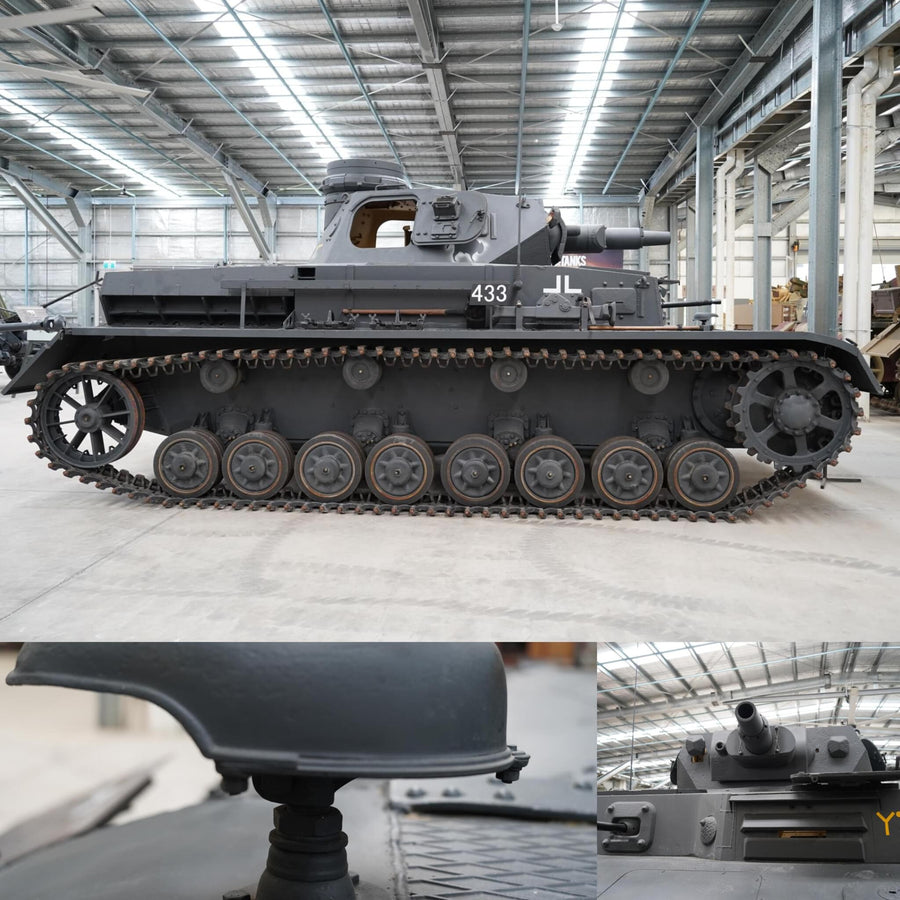 Panzer IV Four Modifications269 photos$12.99
-
 Hetzer German Tank Destroyer47 photos$3.99
-
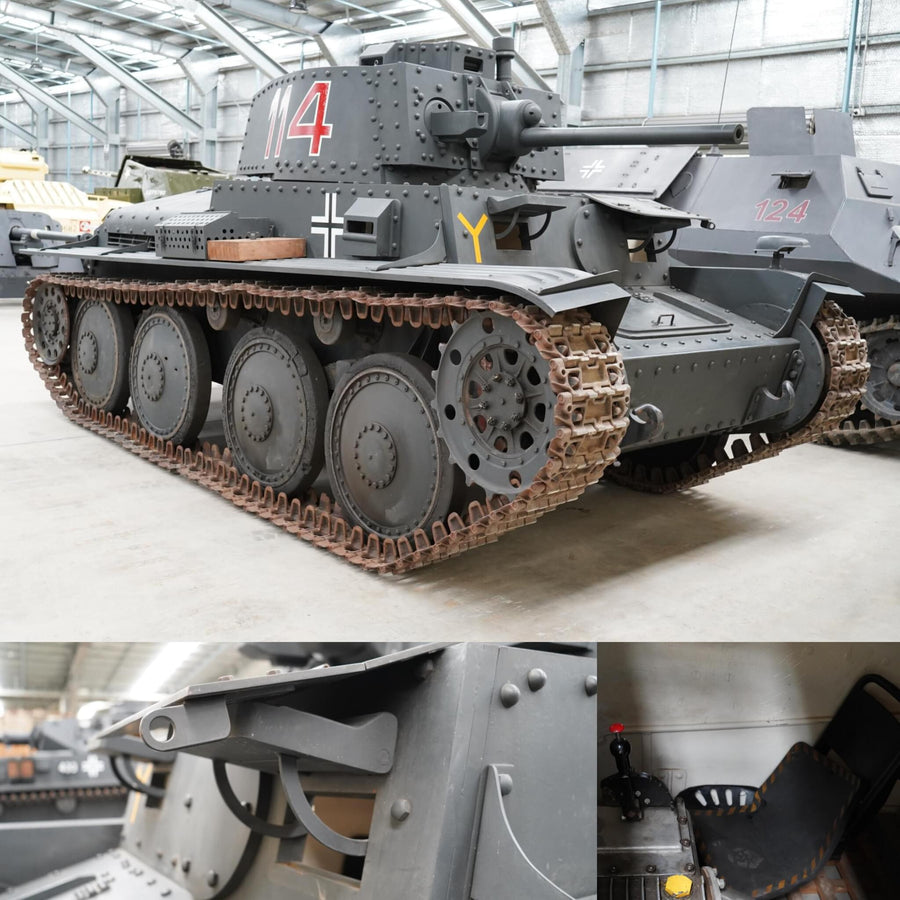 Panzer 38T74 photos$5.99
-
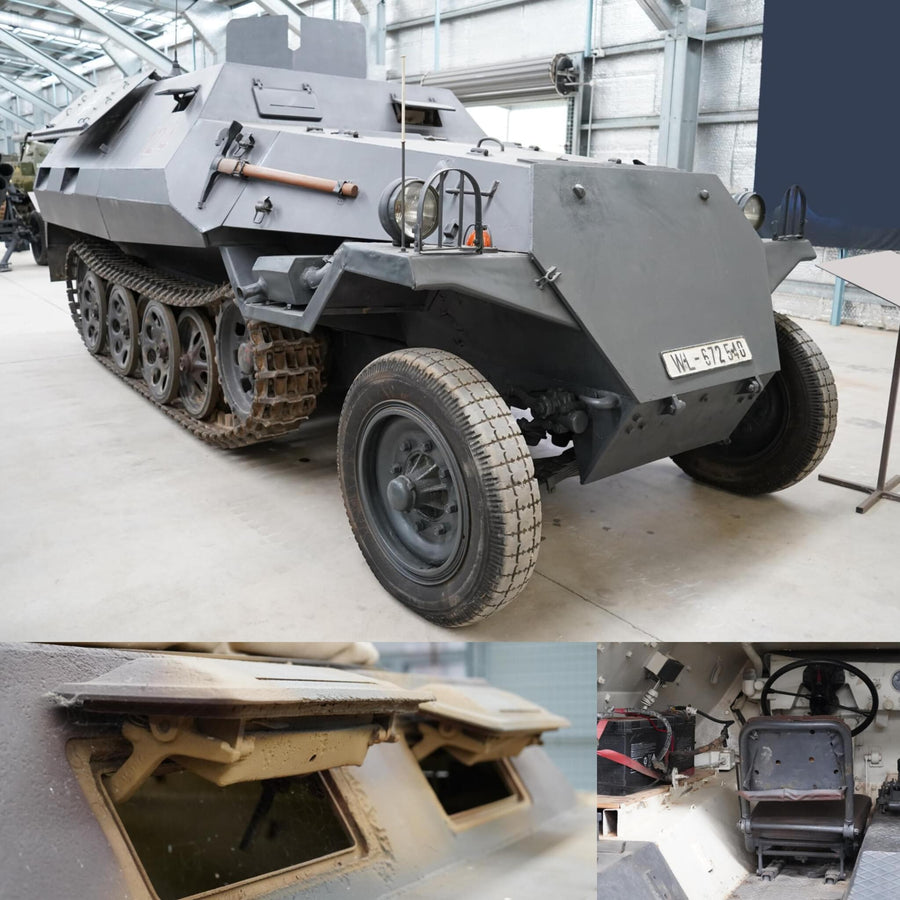 German Halftrack Modifications185 photos$9.99
-
 German Anti-Aircraft Flak 88115 photos$7.99
-
 8-Ton Half-Track WWII Military Vehicle46 photos$3.99
-
 1941 German Motorcycle BMW R75 with Trailer42 photos$3.99
-
 1940 German Kubelwagen Light Utility Vehicle35 photos$3.99
-
 Jagdpanzer 38 Light Tank Destroyer 194441 photos$2.99
-
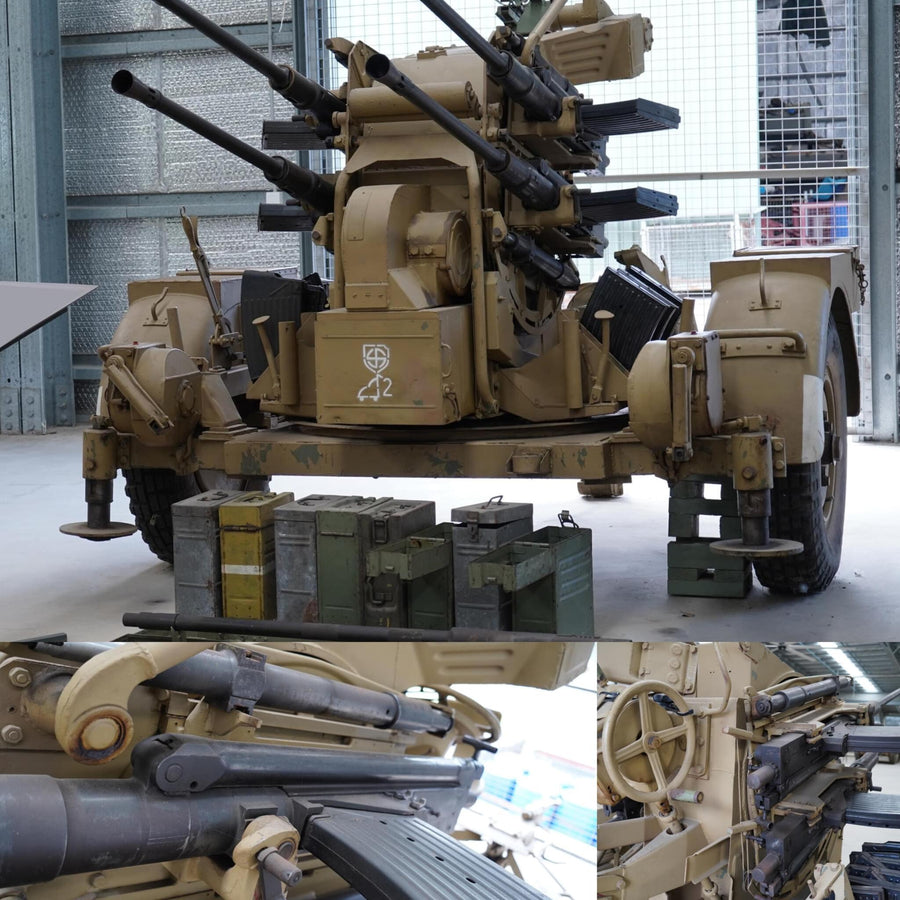 German Flakverling Anti-Aircraft Gun54 photos$4.99
-
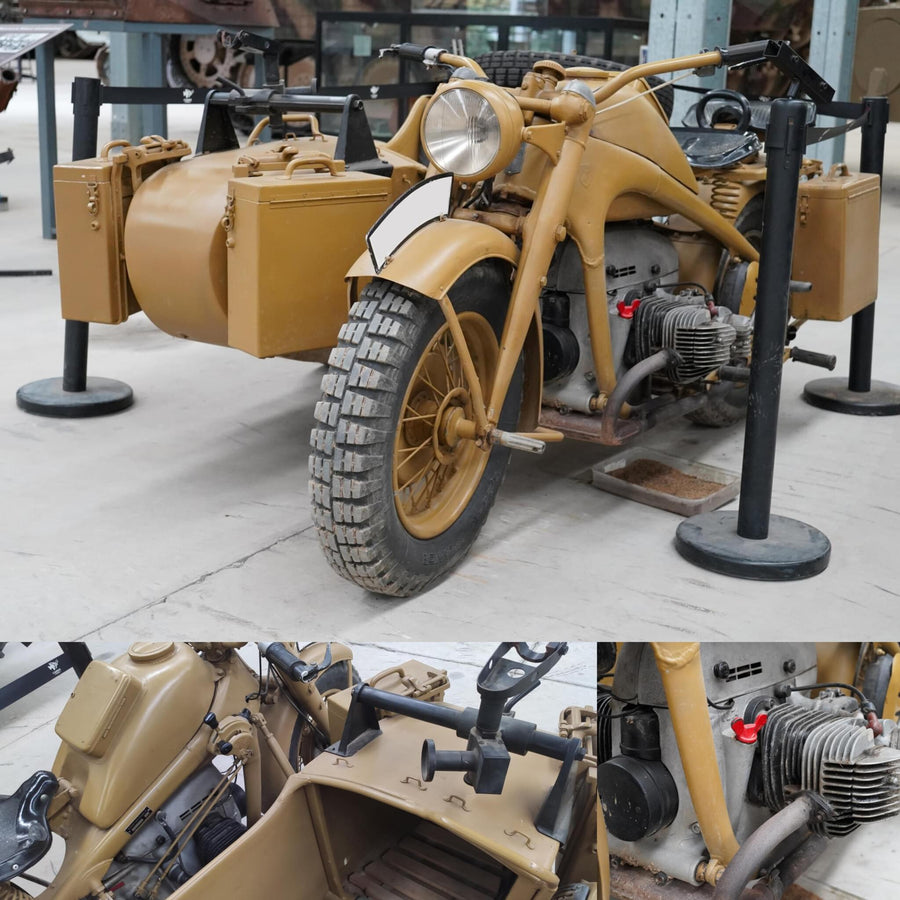 German War Bike Zundapp KS 75054 photos$4.99
-
 White Tiger165 photos$14.99
-
 Leopard 1 German Tank41 photos$5.99


Turret roofs and engine decks, seen from above
In a museum you see a tank from the floor. The roof, the hatches and the engine deck are above your head, and that is exactly where kits need the most help. For most of the German packs, photographed in Australia, the contributor used a phone on a selfie stick to reach those angles, as well as a Sony A7C at 6000 × 4000. Look for:
- Hatch hinges, periscope guards and vision ports on the turret roof
- Engine deck grilles, access plates and lifting hooks
- Weld seams where the armor plates meet
- Track links and the way they sit on the running gear
The big cats and the Panzer IV
- German Tiger Tank: 76 photos, 694 MB, $4.99.
- German Panther Tank: 75 photos of a Panther covered in zimmerit, the ridged anti-magnetic paste applied to many German vehicles in 1943 and 1944. On a museum vehicle the coating may be original or reapplied, so compare the pattern with period photos before you copy it.
- Panzer IV Four Modifications: 269 photos and 2,767 MB covering 4 versions of the tank that served through the whole war. It is the largest German armor pack in the catalog.
Light tanks and tank destroyers
The Hetzer appears twice, photographed by different contributors on 2 continents. That gives you a second view of the same small vehicle:
- Hetzer German Tank Destroyer: 47 photos, shot in Australia.
- Jagdpanzer 38 Light Tank Destroyer 1944: 41 photos at 6240 × 4160, shot in the United States, $2.99.
The Panzer 38(t) pack (74 photos) shows the Czech-designed light tank whose chassis the Hetzer was built on. Put the two side by side to see how the running gear was carried over.
Halftracks, guns and the vehicles around them
A German armored column needs more than tanks:
- German Halftrack Modifications: 185 photos of the armored personnel carrier in several modifications.
- 8-Ton Half-Track: 46 photos of the Sd.Kfz. 7 artillery tractor, including the engine compartment and crew seating.
- German Anti-Aircraft Flak 88: 115 photos of the gun the Sd.Kfz. 7 was designed to tow. Together the two packs make a complete gun-and-tractor diorama.
- German Flakvierling: 54 photos of the quadruple 20 mm anti-aircraft mount.
The Kübelwagen, the Opel staff car and the BMW R75 and Zündapp KS 750 motorcycles are on the military vehicle reference page.
Frequently asked questions
Why use photos instead of AI images for German armor?
AI images can invent details, such as the wrong number of road wheels or a hatch in the wrong place. Our guide on AI reference and wrong details explains what to check. Each pack here names the photographer, the location and the camera, so you know what you are looking at.
Are the paint schemes accurate for 1944?
Museum vehicles are often repainted, and some paint is a restorer's interpretation. Use the photos for shape, construction and surface texture. Use period photos and unit histories for the camouflage pattern and markings.
Why do some photos in a pack have a lower resolution?
Several packs combine photos from a Sony A7C at 6000 × 4000 with photos from a phone, which the contributor raised on a selfie stick to reach high angles. Phone photos can be smaller, for example 4000 × 3000. Each product page lists the resolutions in the pack.
Can I 3D print parts I model from these photos?
Yes. You can model and print your own parts for your projects. The license does not allow reselling the photos or the packs.