

Real Asian Architecture for Fantasy Worlds
A wuxia city or an Asian fantasy kingdom feels right when the roof brackets, gates and carvings are right. These Asian architecture reference photos were shot on location in Korea, Japan, Thailand, Nepal and Chinese heritage sites across Asia. Start with Gyeongbokgung Palace in Seoul (297 photos), Chinese Traditional Decorative Elements (600 photos from Fujian) or the Snowy Japanese Village pack.
-
 Korean Medieval Palace in Seoul297 photos$18.99
-
 Chinese Traditional Decorative Elements600 photos$14.99
-
 Japanese Traditional Decorative Elements - Kyoto357 photos$12.99
-
 Korean Medieval Fortress Wall with Bastions279 photos$15.99
-
 Snowy Japanese Village218 photos$14.99
-
 Chinese Ancestral Hall Exterior at Night101 photos$7.99
-
 Temple of Dawn Pagoda Complex259 photos$14.99
-
 Massive Ancient Ruined Pagoda149 photos$12.99
-
 Kathmandu Palace Inner Yard112 photos$9.99
-
 Japanese Zen Garden in Autumn95 photos$8.99
-
 XK9 Korean Self-Propelled Howitzer57 photos$3.99
-
 Small Korean Shrine43 photos$3.99
-
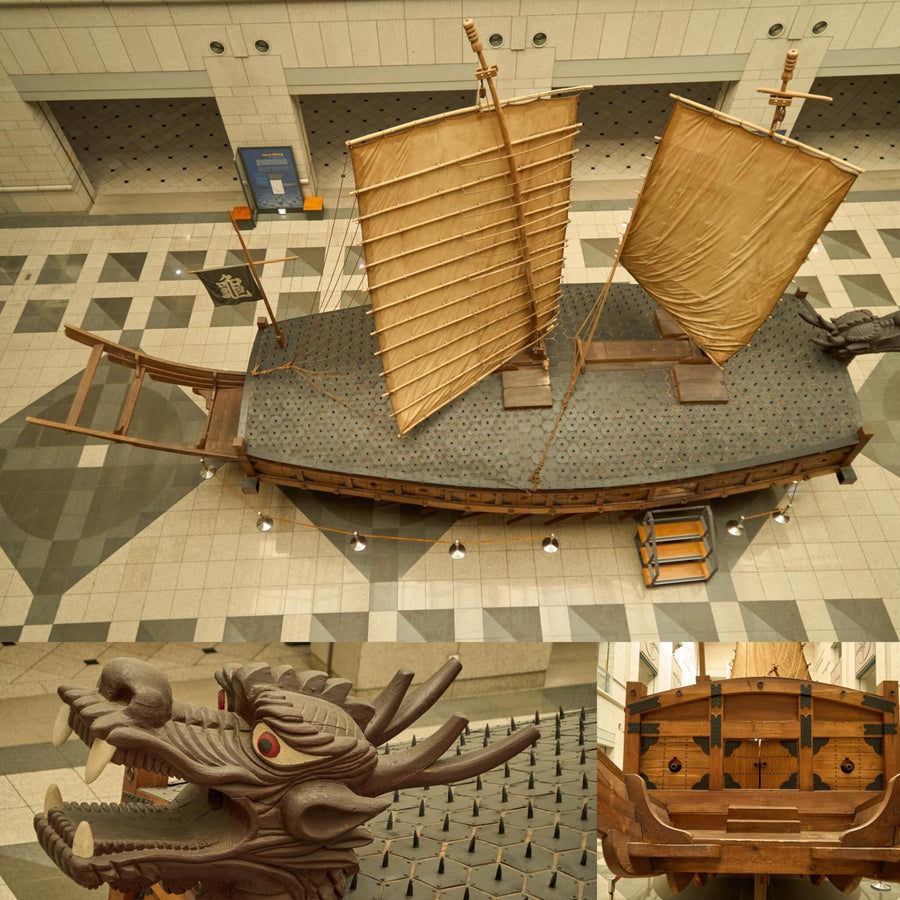 Korean Medieval Turtle Ship73 photos$4.99
-
 19th Century Korean Royal Shrine Complex173 photos$11.99
-
 Korean Infantry Fighting Vehicle - K20081 photos$5.99
-
 Traditional Korean Town Streets221 photos$8.99
-
 LVTP-7 Korean APC - Exterior and Interior111 photos$7.99
-
 KM900 Korean APC49 photos$2.99
-
 Gingerbread Palace195 photos$14.99
-
 Green Roof Chinese Temple115 photos$9.99
-
 Murky Coral Overgrown Japanese Cargo Shipwreck323 photos$17.99
-
 Construction of Buddha Temple63 photos$8.99
-
 Small Tucked Away Chinese Temple201 photos$9.99
-
 Japanese Style Empty Night Market285 photos$16.99
-
 Thean Hou Chinese Temple at Night260 photos$14.99
-
 Japanese Type 95 Rusty Light Tank58 photos$5.99
-
 Japanese Streets - Osaka598 photos$19.99
-
 Japanese Traditional Decorative Elements - Various418 photos$19.99
-
 Brick Pagoda With a Pool80 photos$6.99
-
 Four Large Pagoda Temple437 photos$23.99
-
 Shrine Monument284 photos$19.99
-
 Sunny Chinese Gardens136 photos$15.99
-
 Chinese Gardens175 photos$9.99


Start with the roof
In East Asian architecture, the roof carries most of the style. The curve of the eaves, the bracket sets under them, the ridge ornaments and the tile pattern tell the viewer where they are before they see a single wall. Invented fantasy roofs often go wrong here, because the brackets do not support anything.
- Korean Medieval Palace in Seoul: 297 photos of Gyeongbokgung, the largest of the five grand palaces of the Joseon Dynasty, at 6000 × 4000. Good for painted bracket sets, stone terraces and the layout of gates and courtyards.
- Chinese Ancestral Hall Exterior at Night: 101 drone photos of a Cantonese-style heritage building in Kuala Lumpur, with gilded carvings and rooftop figurines seen from above.
- Snowy Japanese Village: 218 photos from Shirakawa-go and the Nagano area, with steep thatched roofs under heavy snow.
Walls, gates and the shape of a city
A fantasy capital needs more than one beautiful hall. It needs walls, watchtowers and ordinary streets. The Korean Medieval Fortress Wall with Bastions pack has 279 photos of Suwon Hwaseong, an 18th-century fortress, including stone walls, gates and watchtowers. For the lanes between buildings, Traditional Korean Town Streets has 221 photos of hanok houses and narrow alleys. Both packs come from the same photographer and the same Sony A7C camera, which helps when you combine them in one scene.
Ornament, close enough to model
Carvings, door panels, lanterns and stone guardians are where a scene earns its detail. Two packs focus almost entirely on this:
- Chinese Traditional Decorative Elements: 600 photos of temples, sculptures, stone and wooden structures in Fujian, China, at 6016 × 4016.
- Japanese Traditional Decorative Elements – Kyoto: 357 photos of traditional architecture, props and symbols. The files total 4.7 GB, so there is room to zoom into joinery and surface wear.
The license lets you build your own 3D models and textures from these photos, so a carved panel or a roof tile can go straight into a modeling or photogrammetry workflow.
Gardens, ruins and older kingdoms
Not every Asian fantasy setting is a palace. For a quiet monastery or a scholar's retreat, the Japanese Zen Garden in Autumn (95 photos, Nara) shows raked gravel, arranged stones and red maple leaves. For a fallen empire, look south. The Massive Ancient Ruined Pagoda documents Wat Chedi Luang in Chiang Mai, a 14th-century pagoda that is partly ruined and partly restored, in 149 photos. The Temple of Dawn Pagoda Complex in Bangkok (259 photos) shows towers covered in colored porcelain. The Kathmandu Palace Inner Yard (112 photos) adds Nepali carved wood from around the 16th century.
For the Japanese and Chinese side in more depth, see Japanese and Chinese architecture. For temples taken back by the jungle, see jungle temple ruins.
Frequently asked questions
Which countries do these packs cover?
The packs on this page were shot in South Korea, Japan, China, Thailand, Nepal, Malaysia and the Philippines, plus Chinese gardens in Canada and New Zealand. Each product page lists the location, the photographer and the camera.
Many of these places are temples. How should I use them in a fantasy setting?
Several of these buildings are places of worship today. They work very well as reference for construction, materials and layout. When you adapt sacred symbols, statues or shrines, it is good practice to keep them in a respectful role in your story, as you would with any real religious site.
Are the photos detailed enough for ornament and texture work?
Most packs here are full-resolution originals at 6000 × 4000 or higher. A few drone-heavy packs are 4000 × 3000. Check the Quality field on each product page before you buy.
Can I combine buildings from different countries in one design?
Yes, and many concept artists do. A practical tip: keep one structural system per building, for example Korean brackets with Korean roof tiles, and mix cultures at the level of the city or the costume. The result reads as invented but still believable.