

Ancient Ruins From Pompeii to Ayutthaya
A ruin tells you two stories: how a place was built and how it fell. These ancient ruins reference photos show both, from Pompeii and the Colosseum to the Roman theatre at Hierapolis and the brick temples of Ayutthaya in Thailand. Each pack covers one site in depth, so you can follow a wall from its base to its broken top.
-
 Pompeii Ruins129 photos$11.99
-
 Roman Ruins236 photos$9.99
-
 Roman Theatre and Scattered Ruins217 photos$11.99
-
 Antique Port City Remnants124 photos$9.99
-
 Ancient Rock Tombs Town Architecture124 photos$9.99
-
 Masada Ancient Fortress Ruins83 photos$9.99
-
Featured
 Fire God Ancient Fortress171 photos$14.99
-
 Wat Maha That268 photos$14.99
-
 Four Large Pagoda Temple437 photos$23.99
-
 Wat Phra Ram201 photos$14.99
-
 Architecture and Ruins of Malta362 photos$14.99
-
 Ancient Greek Pottery40 photos$6.99
-
 Castle Ruins and Bridge74 photos$4.99
-
Featured
 Ancient Islamic Walled Desert Town734 photos$29.99
-
 Khmer Ruined Elephant Library Temple333 photos$24.99
-
 Red and Green Moss Overgrown Khmer Ancient Temple151 photos$13.99
-
Featured
 Tomb Raider Overgrown Ancient Temple266 photos$17.99
-
 Angkor Wat Ancient Temple Complex515 photos$29.99
-
 Overgrown Entrance Khmer Temple155 photos$12.99
-
 Three Level Ancient Cambodian Temple131 photos$11.99
-
 Stepped Ancient Khmer Pyramid Temple167 photos$12.99
-
 Khmer Many Faces Ancient Temple282 photos$19.99
-
 Orange Khmer Ancient Temple127 photos$9.99
-
 Overgrown Towers Cambodian Temple90 photos$8.99
-
Featured
 Ancient Medieval Nepalese Town613 photos$29.99
-
 Hindu God of War Cave196 photos$6.99
-
 Five Tower Hindu Brick Temple196 photos$13.99
-
 Small Hindu Temple Bali96 photos$8.99
-
 Hindu Mossy Temple216 photos$13.99
-
 Overgrown Ruined Red Brick Buddhist Temple172 photos$16.99
-
 Colonial Spanish Round Bastion Fort Ruins185 photos$9.99
-
 Khmer Ancient Temple Medium Size341 photos$15.99
-
 Ancient Australian Rainforest Aerial View644 photos$24.99
-
 Ancient Mountain Town118 photos$14.99
-
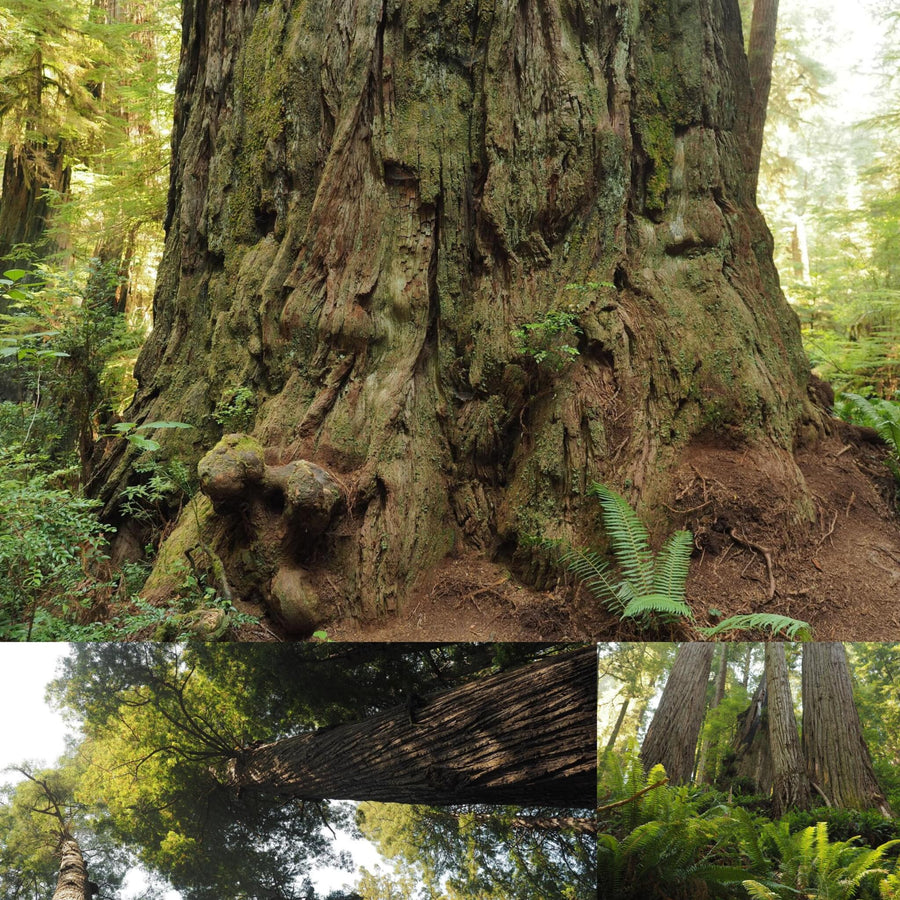 Ancient Giant Sequoia Forest340 photos$15.99
-
 Nepalese Ancient Town Streets114 photos$9.99
-
 Varanasi Ancient Indian Architecture599 photos$18.99
-
 Central Asian Ancient Architecture219 photos$16.99
-
 Abandoned Soviet Railway Stations387 photos$19.99
-
 Abandoned Medieval Ruins Malta155 photos$11.99
-
 Brick Pagoda With a Pool80 photos$6.99
-
 Massive Ancient Ruined Pagoda149 photos$12.99
-
 Ancient Caves332 photos$19.99
-
 Antique Tombs, Mausoleums and Burial Grounds647 photos$29.99
-
Free
 Old Man Classic Statue4 photos$0.001 3D scan$8.99
-
 Convict Coal Mining Colony Ruins309 photos$19.99


Rome and its provinces
Roman builders left the same toolkit across three continents: brick-faced concrete, arches, paved streets and stone theatres. The packs below let you compare it in Italy and in Turkey.
- Roman Ruins, Rome: 236 photos, with 191 of the city and 45 of the Colosseum. Brick walls, pavements and large arches.
- Pompeii Ruins: 129 photos at 6000 × 4000, shot on a Nikon D7100. Streets, house walls and doorways of the town buried by Vesuvius in 79 AD.
- Roman Theatre and Scattered Ruins: 217 photos of Hierapolis in Turkey.
- Ancient Rock Tombs Town Architecture: 124 photos of the Lycian rock tombs and the Greco-Roman theatre at Myra. The tomb facades are carved straight into the cliff.
What earthquakes and weather leave behind
Real collapse follows rules. Columns fall in a line and break into drums. Upper walls go first and the heavy base stays. Mortar washes out before the stones do. Painting or modelling a ruin is easier when you can see these patterns.
The Antique Port City Remnants pack (124 photos) shows Phaselis, a trading port founded in the 4th century BC and abandoned after many earthquakes. The Hierapolis pack shows the buildings that remained after a strong earthquake in 1584. Both packs are full of fallen blocks lying where they landed, which is exactly what terrain builders and environment artists need. For table-top use, see fantasy wargaming terrain reference.
Mud brick decays in a different way. The Fire God Ancient Fortress in Uzbekistan (171 photos) was built from unburnt clay more than 2,500 years ago. Its walls have softened into rounded ridges, and the ground is covered in broken pottery.
Desert stone: Masada
The Masada Ancient Fortress Ruins pack (83 photos, Judaean Desert) shows eroded stone walls and interiors on an isolated rock plateau. Matte painter and concept artist David Edwards used it for his "Lost Temple" 3D environment. It is a good example of how a small, focused pack can carry a whole project.
Brick ruins of Ayutthaya
Ayutthaya was the capital of the Siamese kingdom until it was destroyed in 1767. Its brick temples now stand as ruins, many of them leaning, with their plaster gone. Three packs document them:
- Wat Maha That: 268 photos.
- Wat Phra Ram: 201 photos.
- Four Large Pagoda Temple: 437 photos, with drone views of four large stupas and the buildings around them in different stages of decay.
For carved stone temples in Cambodia and Thailand, see our temple reference photos.
Frequently asked questions
Do you have ancient Greek ruins?
The Lycian and Greco-Roman sites in Turkey are the closest match. The Ancient Greek Pottery pack (40 photos, $6.99) adds museum ceramics for props and decoration. Malta is covered by Architecture and Ruins of Malta (362 photos, Valletta).
Can I build a 3D ruin from these photos?
Yes. The license allows you to create your own 3D models, photogrammetry meshes and textures from the photos for your projects. For tips on shooting angles that work for modelling, see architecture reference for 3D modeling.
Why are some packs smaller than others?
Each pack covers what the photographer could reach at that site. A focused pack like Masada costs $9.99. Large sites like the Four Large Pagoda Temple run to several hundred photos. Each product page lists the exact photo count and file size.
Can I combine several sites in one scene?
Yes, and the Turkish packs make it easier. Hierapolis, Phaselis and Myra were all shot by the same photographer on the same Canon camera, so colour and lens character match well. When you mix packs from different photographers, match the direction and colour of the light first.